How Heavy Rain Can Affect Tree Roots and Soil Stability
Heavy rain can be good for trees, but too much water in a short period can create problems below the surface. When the ground becomes saturated, tree roots may lose some of the support they normally receive from the surrounding soil. This can affect the health and stability of trees, especially those that are already weakened, leaning, or growing in areas with poor drainage.
Understanding what happens to tree roots after heavy rain can help homeowners spot potential problems early and take appropriate action before a tree becomes a safety concern.
What Happens to Tree Roots After Heavy Rain?
Tree roots need both water and oxygen to remain healthy. During prolonged rainfall, soil can become saturated with water, filling the spaces where air would normally circulate. If the ground stays waterlogged for an extended period, roots may struggle to receive enough oxygen.
Heavy rainfall can also loosen the soil around the root system. On sloped properties or areas with drainage problems, flowing water may wash soil away from important roots. This can leave roots exposed and reduce the amount of soil supporting the tree.
These conditions are especially concerning for mature trees because their size and weight place greater demands on the root system.
How Heavy Rain Can Cause Tree Root Damage
One of the most common concerns following intense rainfall is tree root damage. Water rushing across the ground can cause soil erosion around the base of a tree. In severe cases, roots may become visible or partially uncovered.
Prolonged moisture can also create unfavorable conditions for root health. Trees growing in compacted or poorly drained soil may be more vulnerable because water has fewer pathways to move away from the root zone.
Homeowners should pay attention to changes such as exposed roots, unusual soil movement, standing water, or gaps developing around the trunk. These signs do not always mean a tree needs to be removed, but they deserve careful attention.
How Saturated Soil Affects Tree Stability
Soil does more than provide nutrients to trees. It also helps anchor the root system and support the weight of the tree. When heavy rain leaves soil saturated, loose, or eroded, that support can become weaker.
This is why tree stability after rain can become a concern, particularly when heavy rainfall is followed by strong winds. Wind places additional pressure on the trunk and branches, while weakened soil may provide less resistance around the roots.
Trees with existing root problems, decay, significant lean, or structural weaknesses may face a greater risk. A tree does not have to look severely damaged above ground for its root system to be affected.
Warning Signs of an Unstable Tree After Heavy Rain
After a period of intense rainfall, take a closer look at trees around your property. Some warning signs include:
- A new or worsening lean
- Soil lifting or cracking near the trunk
- Exposed or broken roots
- Newly disturbed soil around the root zone
- Standing water that remains for a long time
- Large branches that have recently fallen
- Movement of the tree during moderate wind
These signs can indicate changes in the soil or root system. If you notice sudden movement or significant leaning, keep people and vehicles away from the area until the tree can be assessed.
Why Heavy Rain Can Increase the Risk of Fallen Trees
Heavy rainfall does not automatically cause a healthy tree to fall. However, saturated ground, soil erosion, weakened roots, and strong winds can combine to increase the risk.
Trees located close to houses, driveways, fences, vehicles, or utility lines deserve particular attention. A weakened tree can become a serious property hazard if it loses its stability.
Understanding tree stability after rain is therefore an important part of protecting your home and outdoor space.
What Should You Do If a Tree Becomes Unstable?
Avoid climbing, cutting, or attempting to remove a large leaning tree yourself. Even a tree that appears partially stable can shift unexpectedly when its root system has been compromised.
A professional can examine the trunk, branches, root zone, surrounding soil, and overall structure. Depending on the condition, the appropriate solution may involve monitoring, pruning, corrective work, or removal.
For properties affected by severe storms, storm damage tree removal Richmond VA may be necessary when a tree presents an immediate safety risk.
How to Protect Tree Roots and Soil During Rainy Weather
There are several ways homeowners can help protect trees during periods of heavy rainfall:
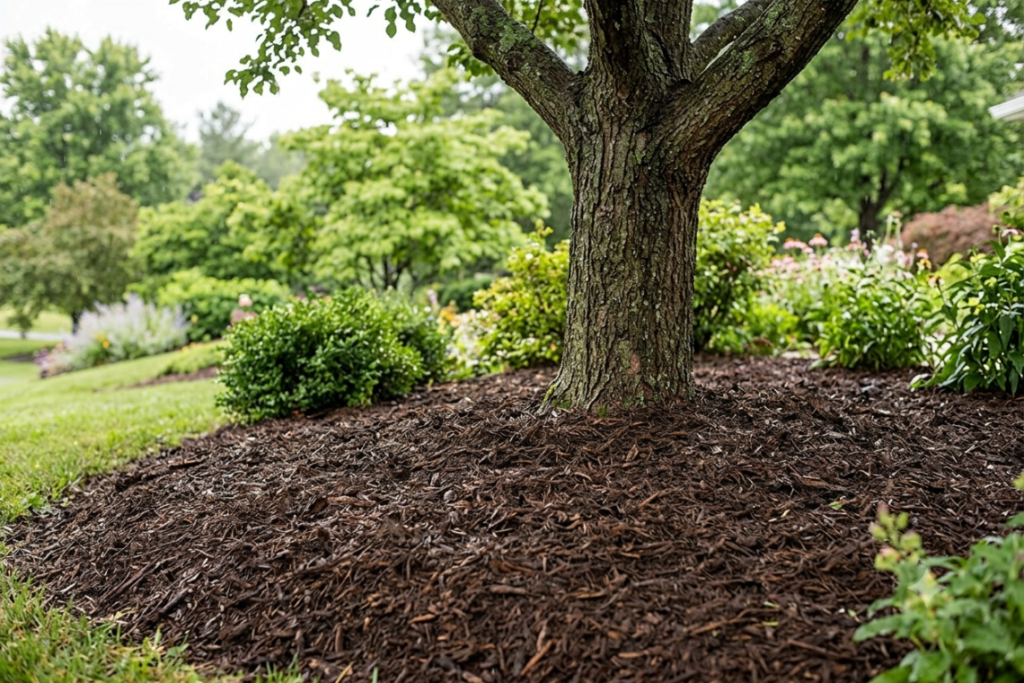
- Maintain a suitable layer of mulch around the root zone.
- Avoid driving heavy equipment over areas containing tree roots.
- Watch for soil erosion around mature trees.
- Address persistent drainage and standing-water problems.
- Inspect trees after severe storms.
- Avoid disturbing exposed roots.
These simple steps can help maintain healthier soil conditions and reduce unnecessary stress on the root system.
How Professional Tree Services Can Help
Some tree problems are easy to overlook from ground level. A professional assessment can help identify structural concerns, exposed roots, soil movement, and other potential hazards before they become more serious. This is especially important after severe weather, when trees may appear stable but have hidden damage below the surface.
If heavy rain or a storm has caused significant damage or instability, professional advice can help determine whether a tree can be safely retained or whether removal is the better option. For homeowners dealing with fallen branches, unstable trees, or other storm-related debris, storm damage tree cleanup Richmond can help address potential hazards safely. DCS Tree Services can assess the condition of affected trees and recommend an appropriate solution based on the level of damage and risk to the surrounding property.
Conclusion
Heavy rain can affect more than what you see above the ground. Saturated soil, erosion, and changes around the root zone can reduce the support a tree depends on. Checking tree roots after heavy rain and watching for signs of instability can help homeowners identify potential hazards early.
When you’re concerned about storm-related tree problems, DCS Tree Services can help assess the situation and determine the appropriate tree care solution. Visit DCS Tree Services to learn more about professional tree services and storm-related tree care in Richmond, VA.
FAQs
1. Can heavy rain damage tree roots?
Yes. Excessive rainfall can contribute to soil erosion, waterlogged conditions, and loss of soil support around roots. These conditions may affect root health and tree stability.
2. Why do trees become unstable after heavy rain?
Saturated soil can become loose and provide less support around the root system. Strong winds following heavy rain can place additional pressure on an already weakened tree.
3. What are the signs of root problems after rain?
Exposed roots, soil cracks, unusual leaning, disturbed soil, standing water, and movement around the tree base can indicate potential root or stability concerns.
4. Should I remove a tree that is leaning after heavy rain?
Not necessarily. A professional should assess the tree first. The cause and severity of the lean, root condition, soil stability, and surrounding hazards all need to be considered.
5. When should I call a tree professional after a storm?
Contact a professional if you notice a newly leaning tree, exposed or damaged roots, broken major branches, significant soil movement, or a tree that appears to threaten a building, vehicle, or utility line.