Category: Uncategorized

  • What to Do After Storm Damage Tree Removal in Richmond, VA

    What to Do After Storm Damage Tree Removal in Richmond, VA

    What to Do After Storm Damage Tree Removal in Richmond, VA

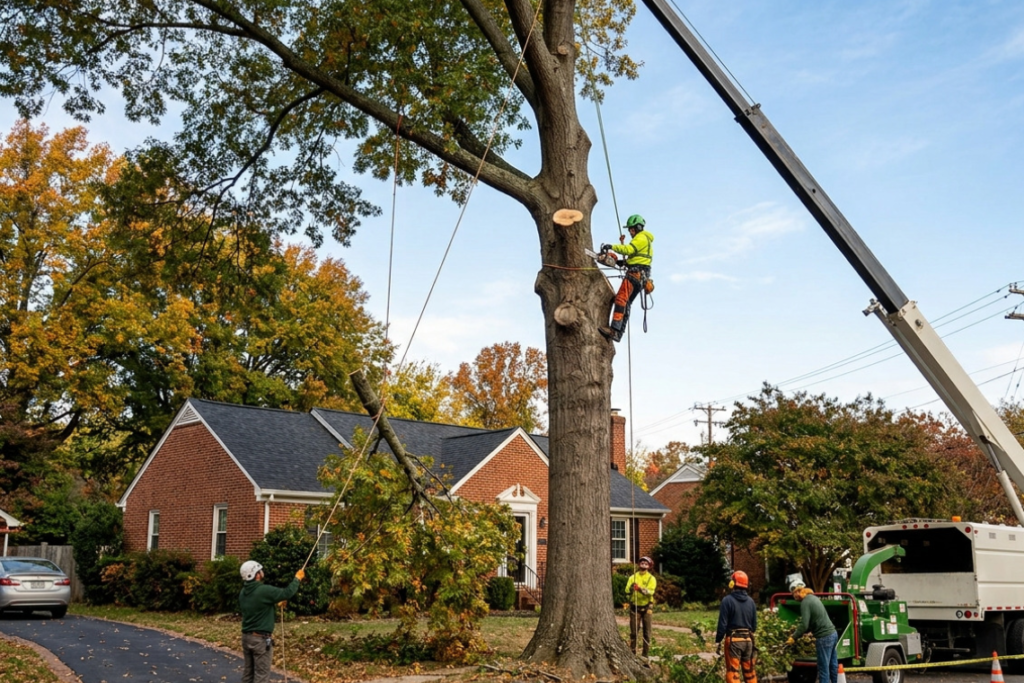
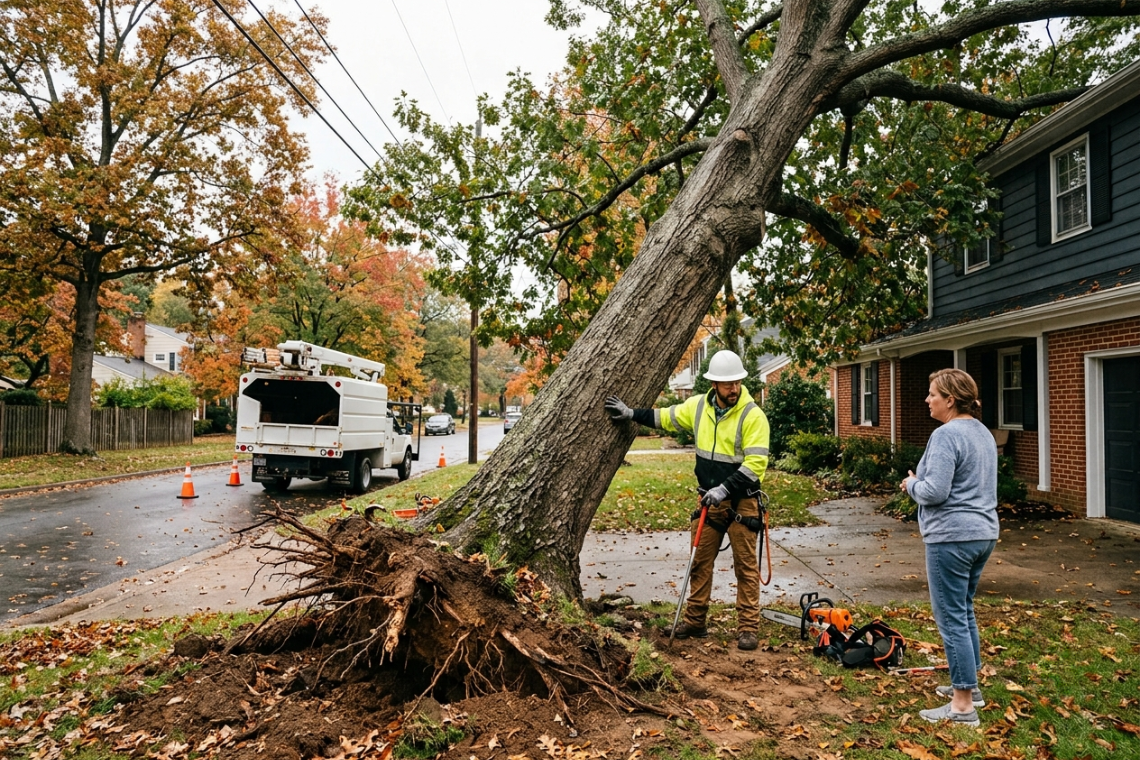
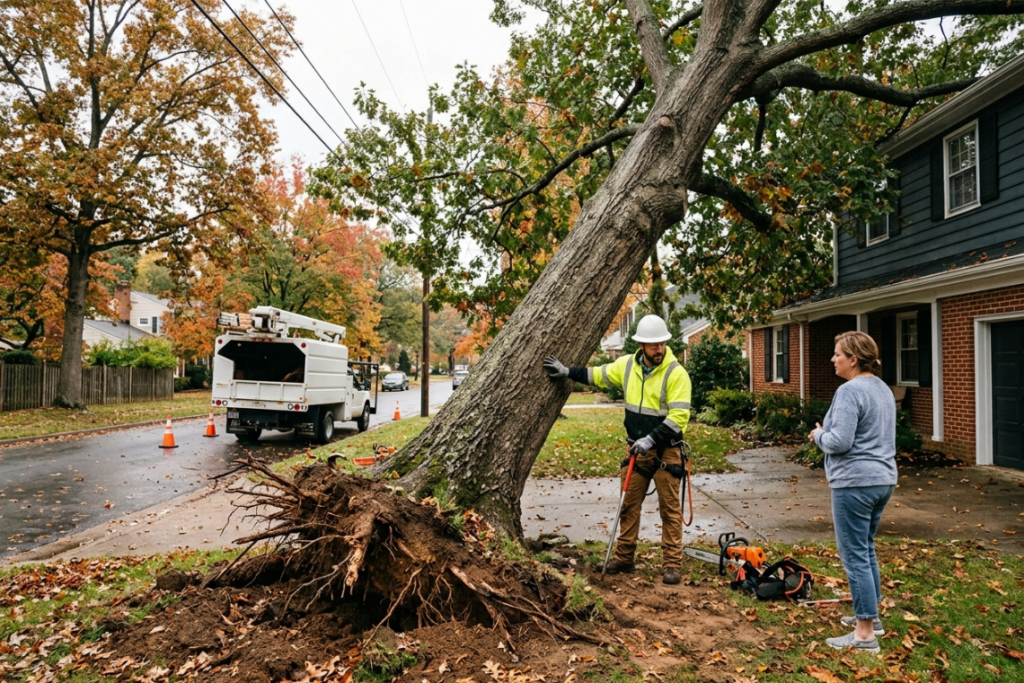
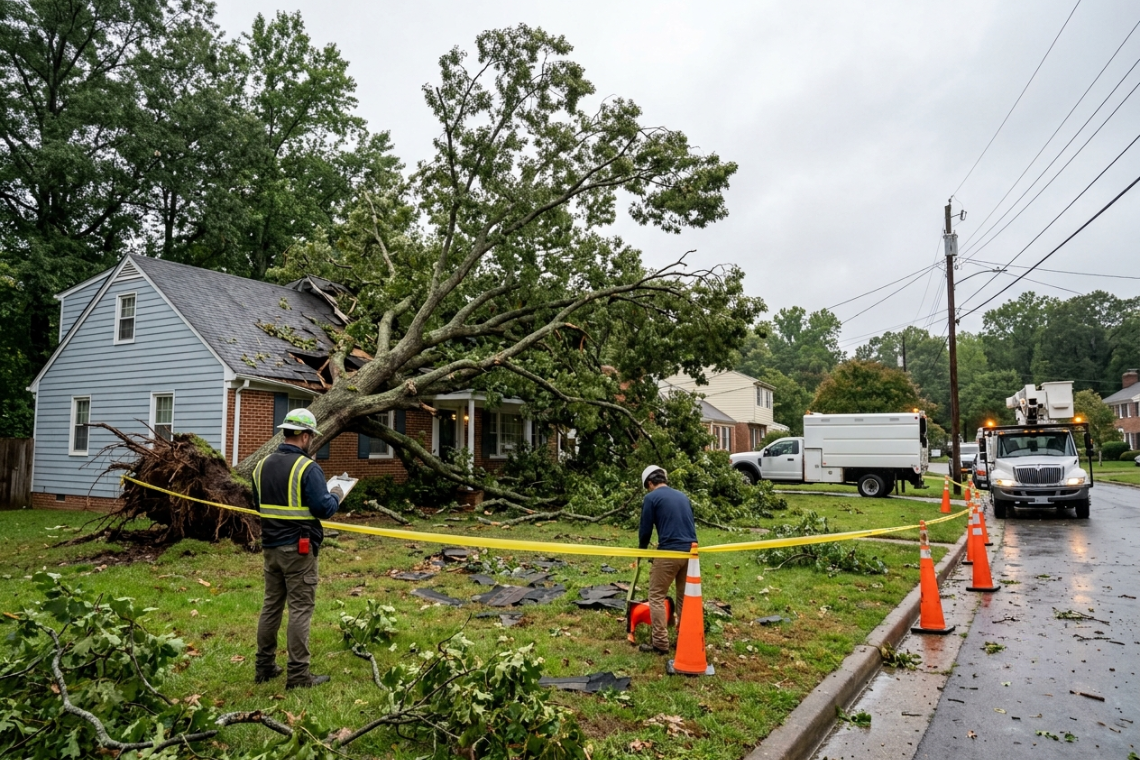
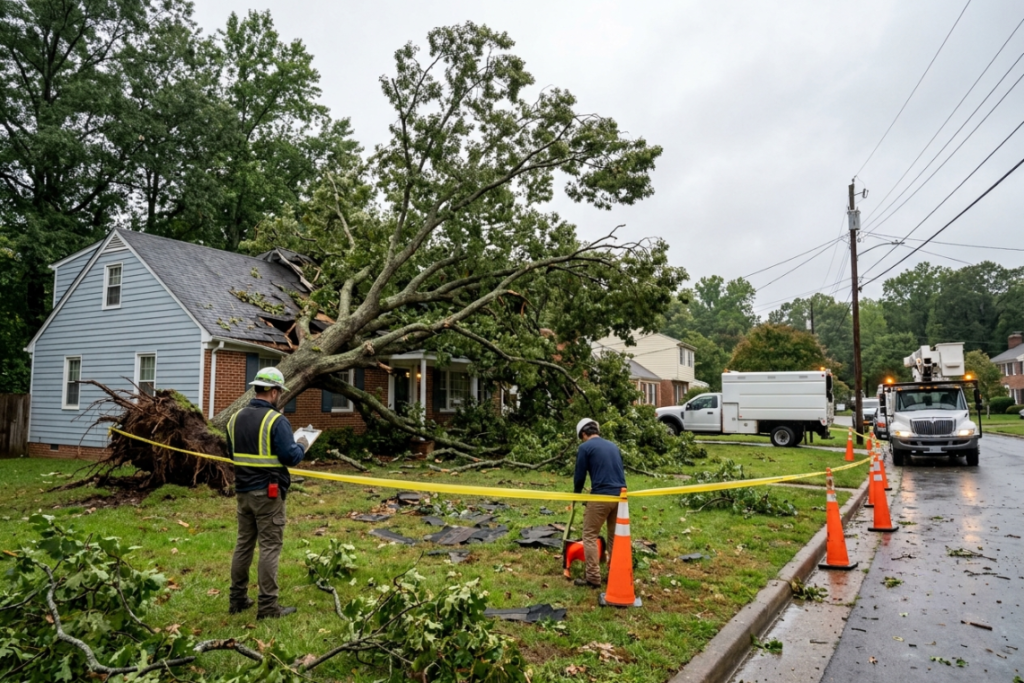
    When a severe storm hits Richmond, fallen trees and broken branches can leave homeowners with more than just a messy yard. Trees may damage roofs, fences, driveways, landscaping, and nearby structures, while standing trees can also develop hidden weaknesses. After storm damage tree removal Richmond VA services have cleared a fallen tree, your property may look better, but the recovery process is not necessarily finished. Taking a few additional steps can help you identify hidden damage, deal with the remaining stump, protect other trees, and prepare your property for future storms.

    1. Document the Property Damage

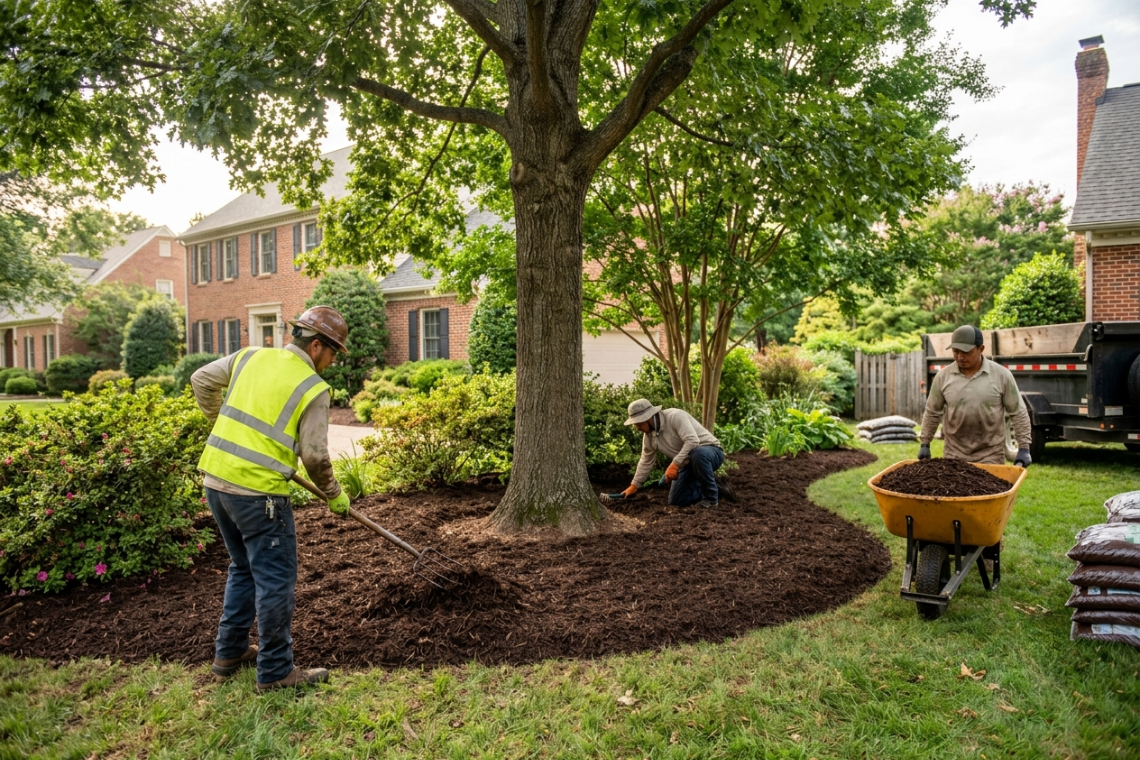
    Before cleanup begins, take clear photographs and videos of the affected areas. Capture the fallen tree, broken branches, damaged structures, landscaping, and any visible property damage. If possible, keep photographs taken immediately after the storm. These can help provide a record of the property’s condition if you need to file an insurance claim. Once the tree has been removed, take additional photographs of the cleared area and any damage discovered during cleanup.

    2. Inspect the Area After Tree Removal

    Removing a fallen tree can reveal damage that was difficult to see when the tree was still on the ground. Walk around the affected area and check for:
    • Damaged fences, sheds, decks, or other structures
    • Broken irrigation systems
    • Damaged underground utility areas
    • Torn or compressed sections of lawn
    • Exposed soil or roots
    • Damage to nearby trees
    Heavy equipment used during cleanup can also affect lawns and garden beds. Identifying these issues early makes it easier to plan the next stage of restoration.

    3. Check Your Roof, Gutters, and Exterior

    A tree does not have to fall directly onto your home to cause damage. Large branches and wind-blown debris can affect shingles, gutters, siding, windows, and downspouts. Look for missing or damaged shingles, clogged gutters, cracked siding, and other visible problems. If you suspect structural damage, contact an appropriate professional for an inspection rather than attempting repairs yourself.

    4. Decide What to Do With the Stump

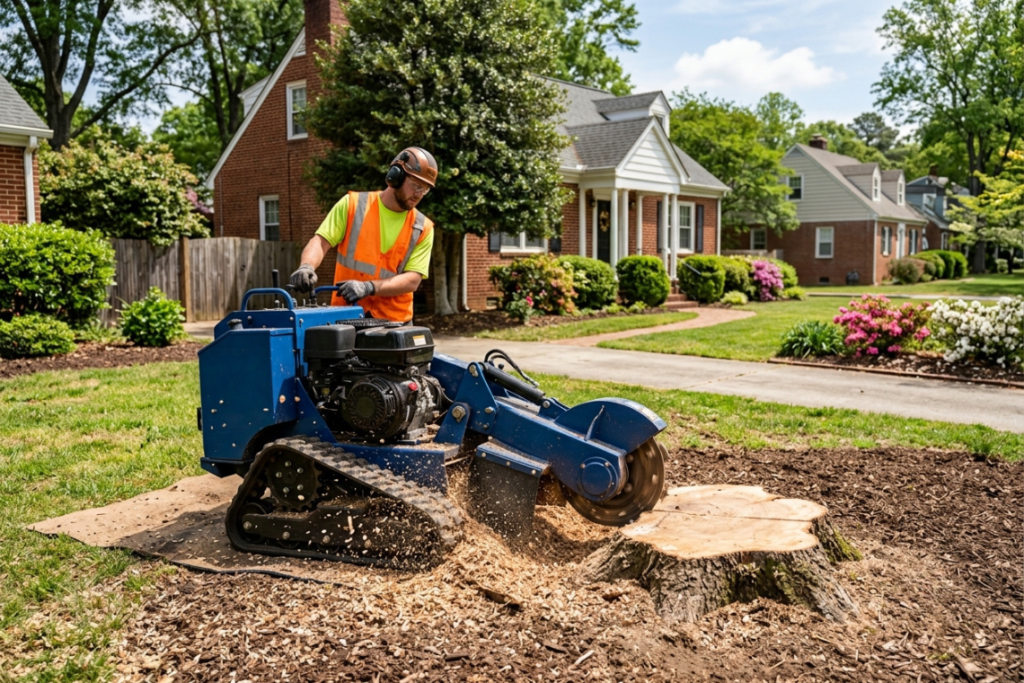
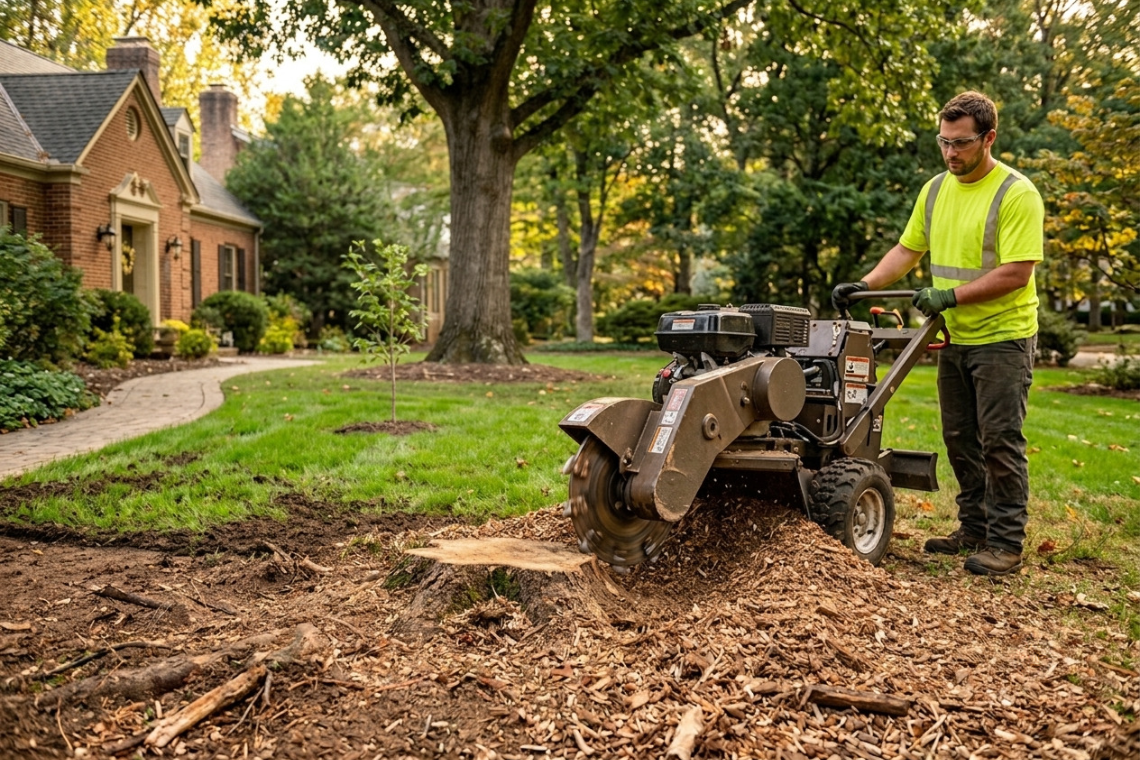
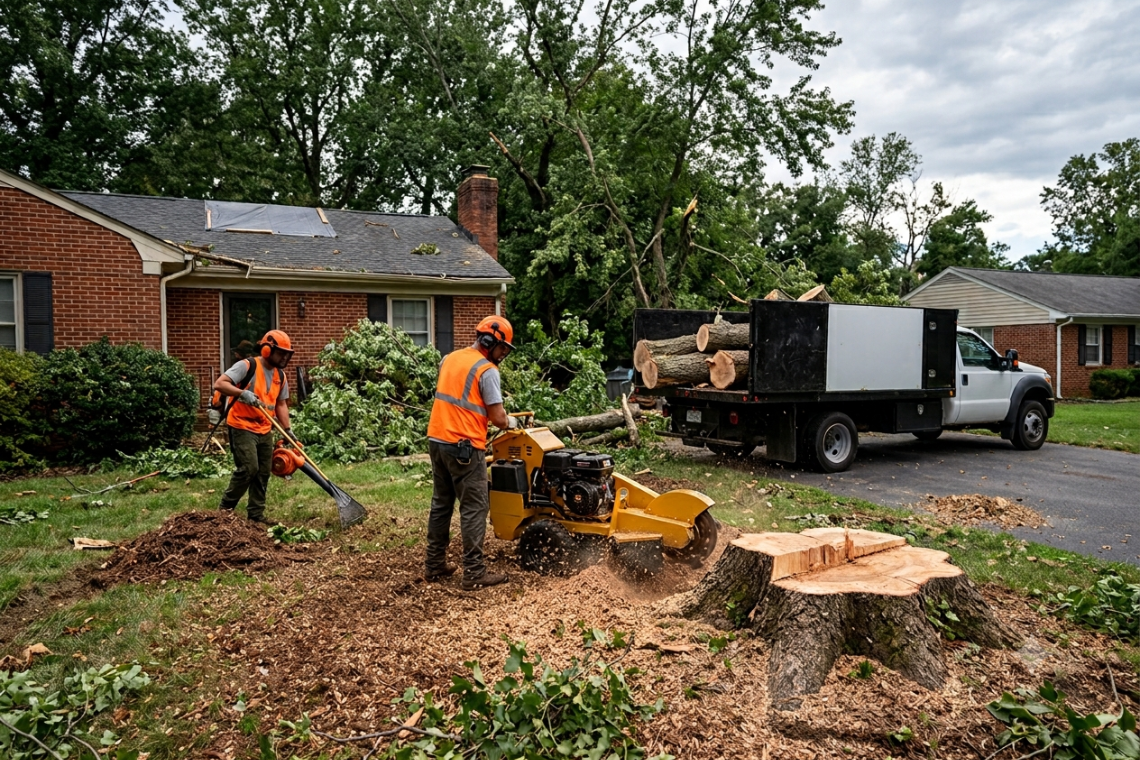
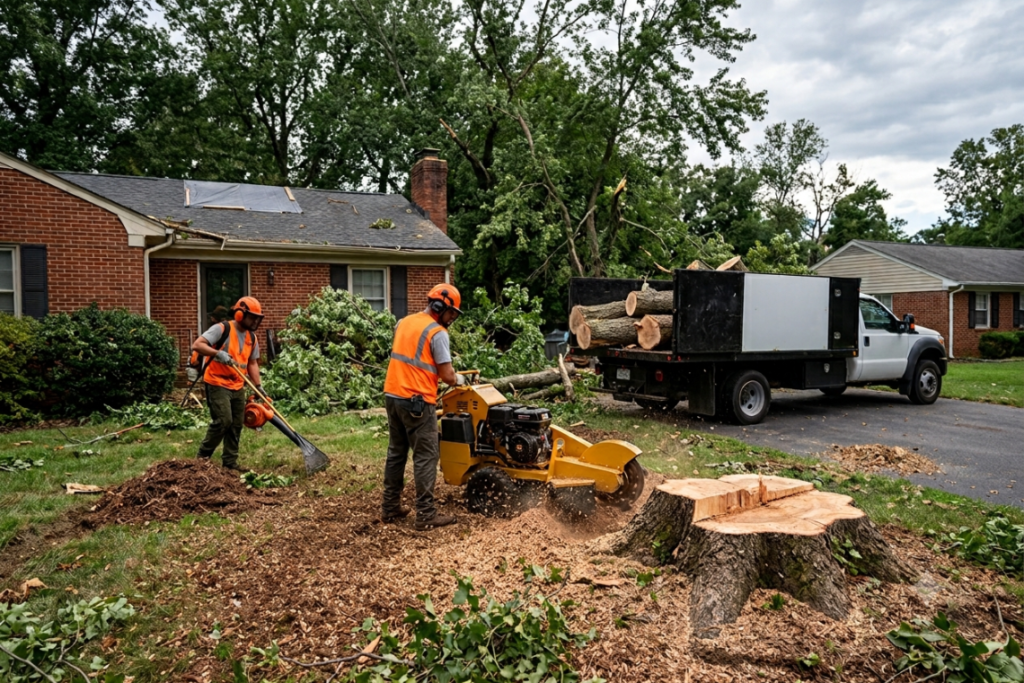
    After a tree is removed, the remaining stump can become an obstacle for landscaping and future yard use. It may also take up valuable space and make mowing more difficult. Stump grinding Richmond VA services can remove the visible portion of the stump and make the area easier to restore. However, if the storm pulled the tree out by its roots and left a large root ball or disturbed soil behind, inspect the area for drainage, erosion, or settling concerns before completing the final landscaping.

    5. Have Remaining Trees Evaluated

    One fallen tree does not always mean the other trees on your property are safe. Strong winds and saturated soil can weaken several trees during the same storm. Look for signs such as:
    • Newly leaning trees
    • Cracks in branches or trunks
    • Hanging or broken limbs
    • Exposed or damaged roots
    • Soil lifting around the base
    • Large sections of damaged bark
    If a standing tree appears unstable or hazardous, professional assessment may be necessary. In some situations, hazardous tree removal Richmond VA services may be recommended to reduce the risk of another tree falling.

    6. Restore Your Lawn and Landscaping

    Storm cleanup can leave your yard looking very different from how it did before the storm. Fallen trees, branches, vehicles, and removal equipment can damage grass and garden areas. Once the property is safe, consider:
    • Removing small branches and remaining debris
    • Raking leaves and bark
    • Aerating compacted soil
    • Filling uneven areas
    • Reseeding damaged lawn sections
    • Replacing heavily damaged sod
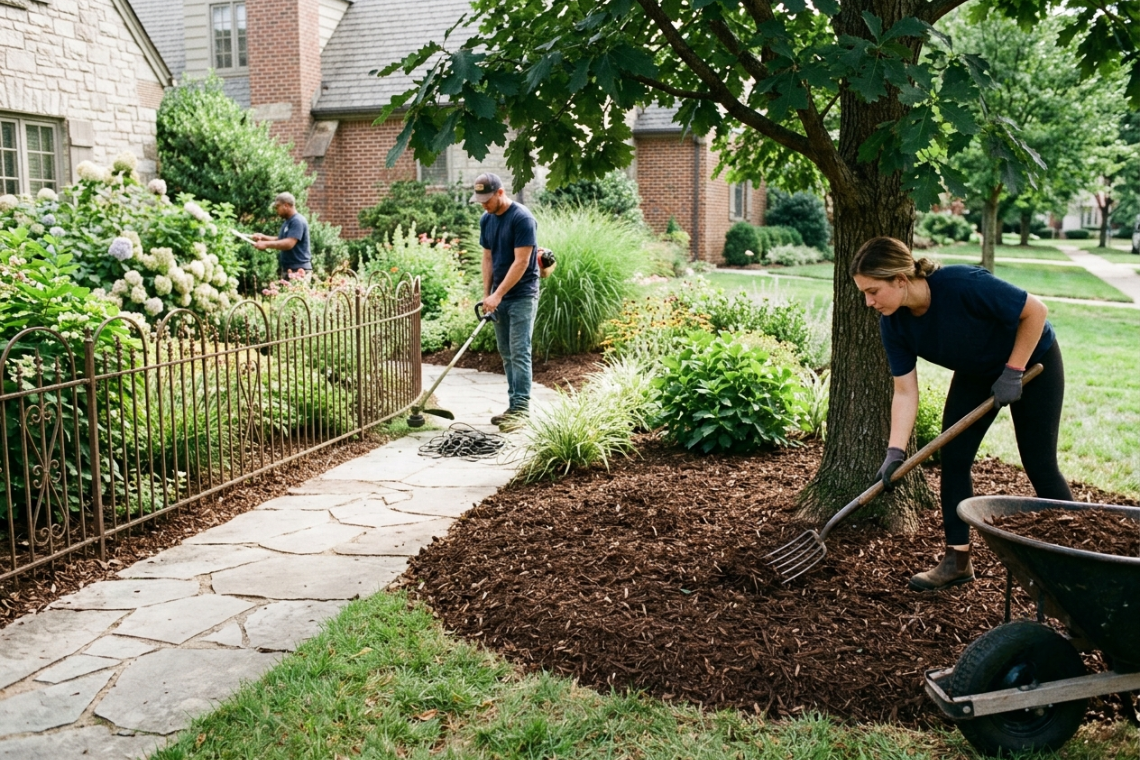
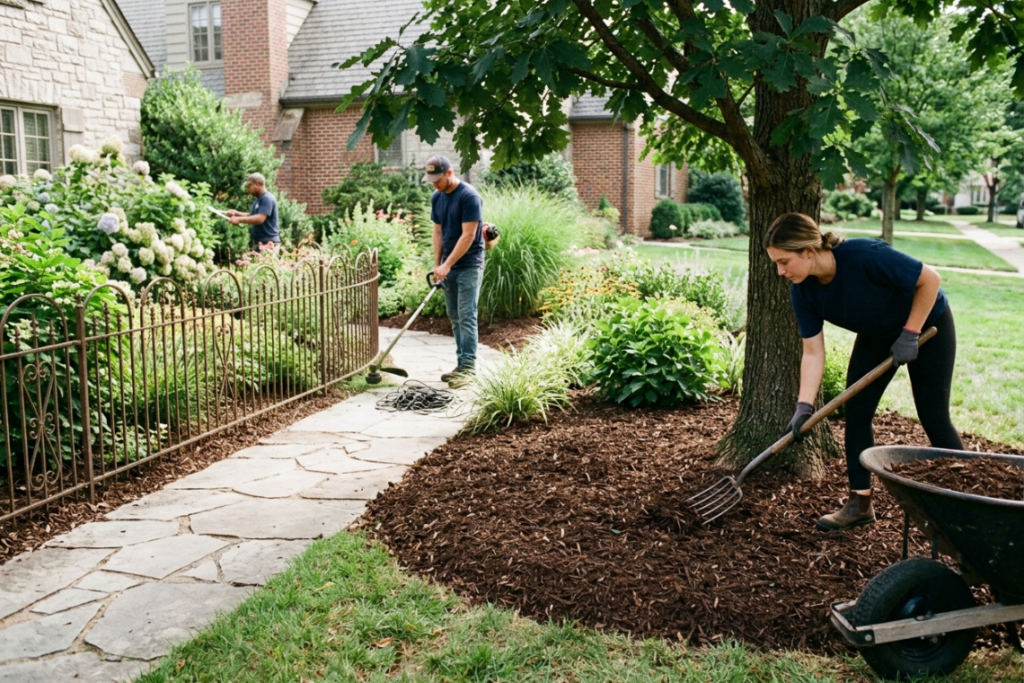
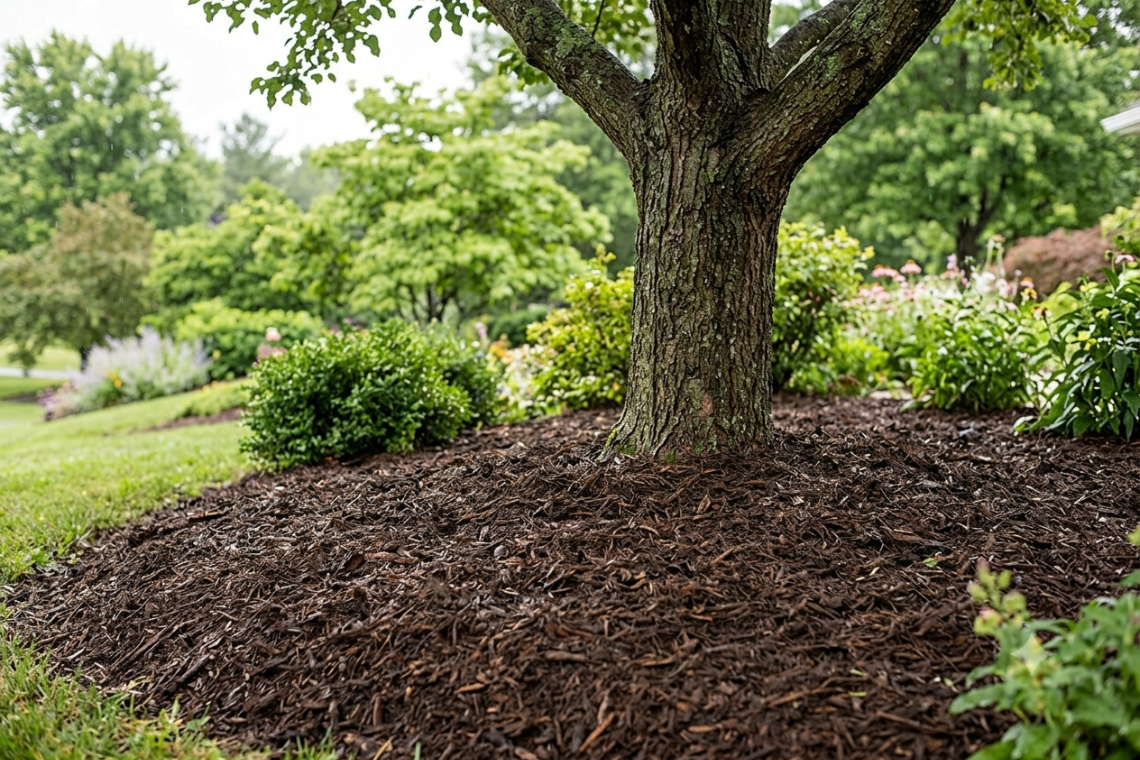
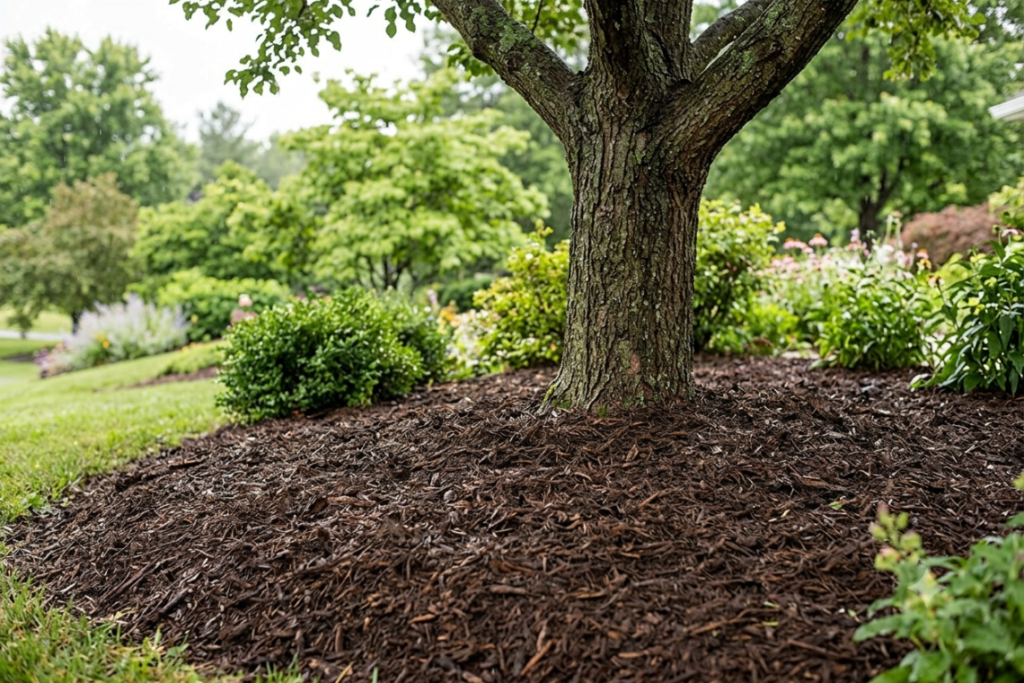
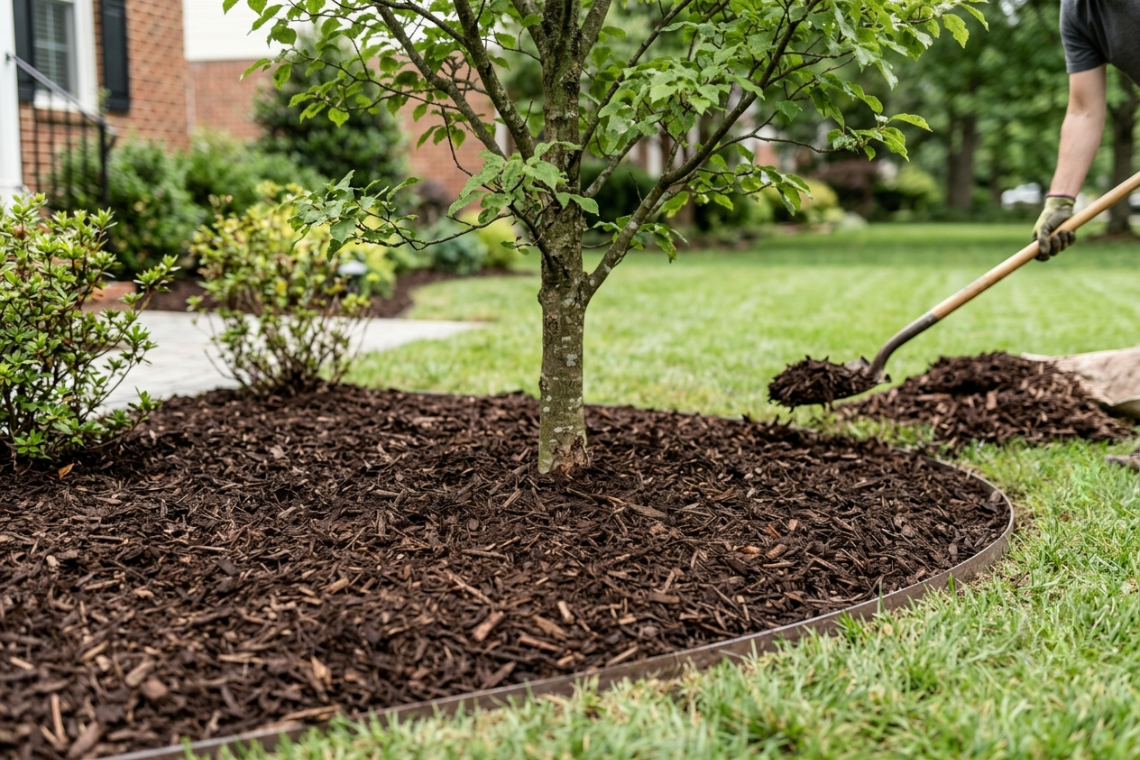
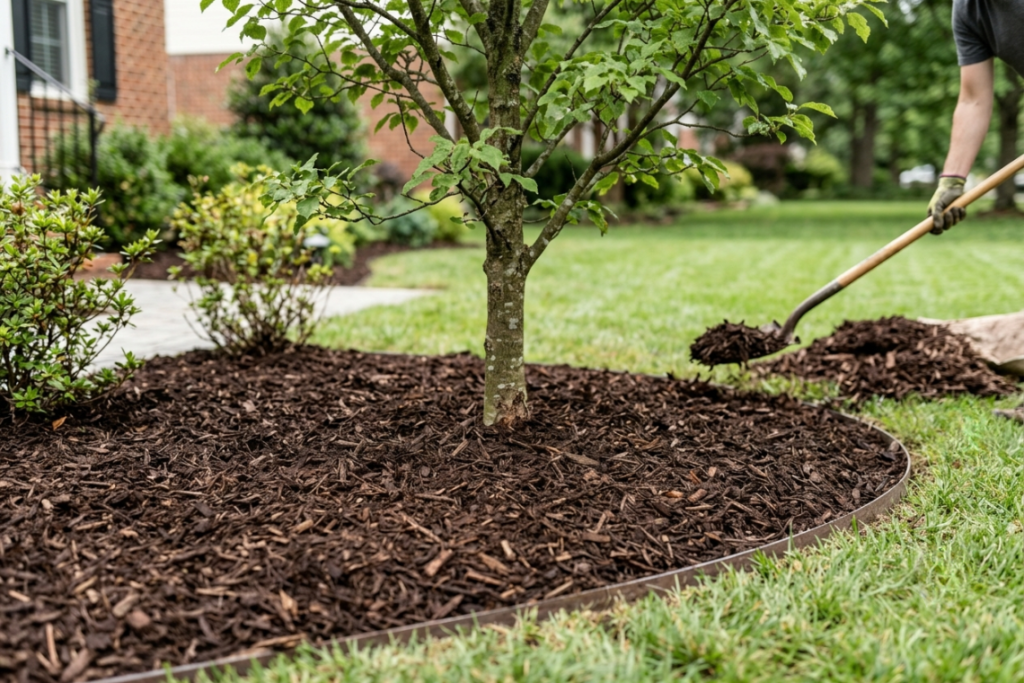
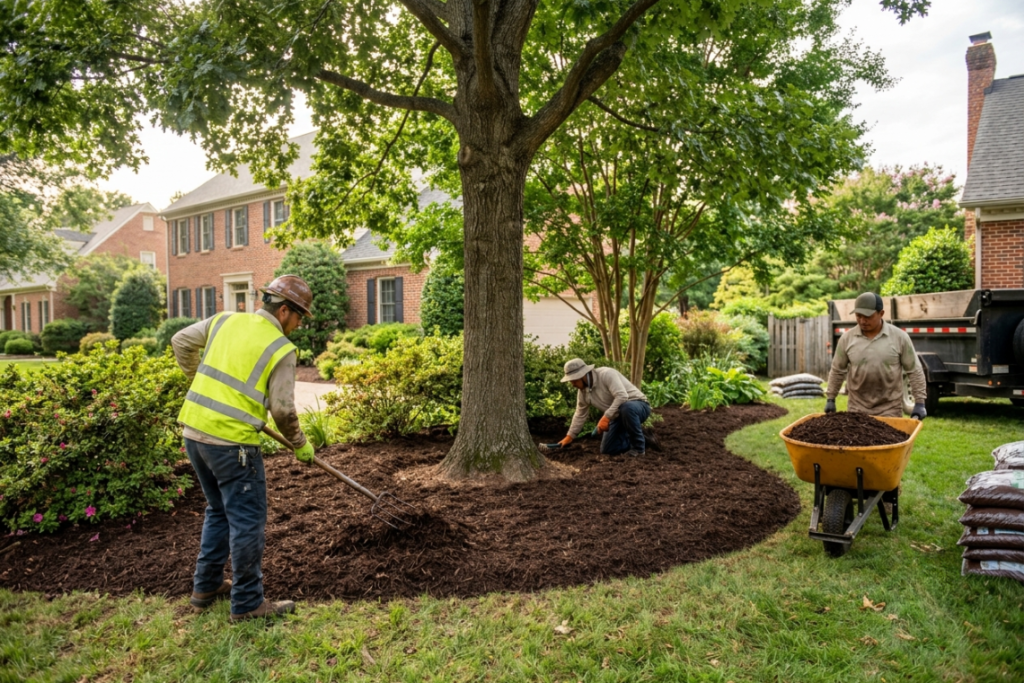
    • Restoring mulch around plants and trees
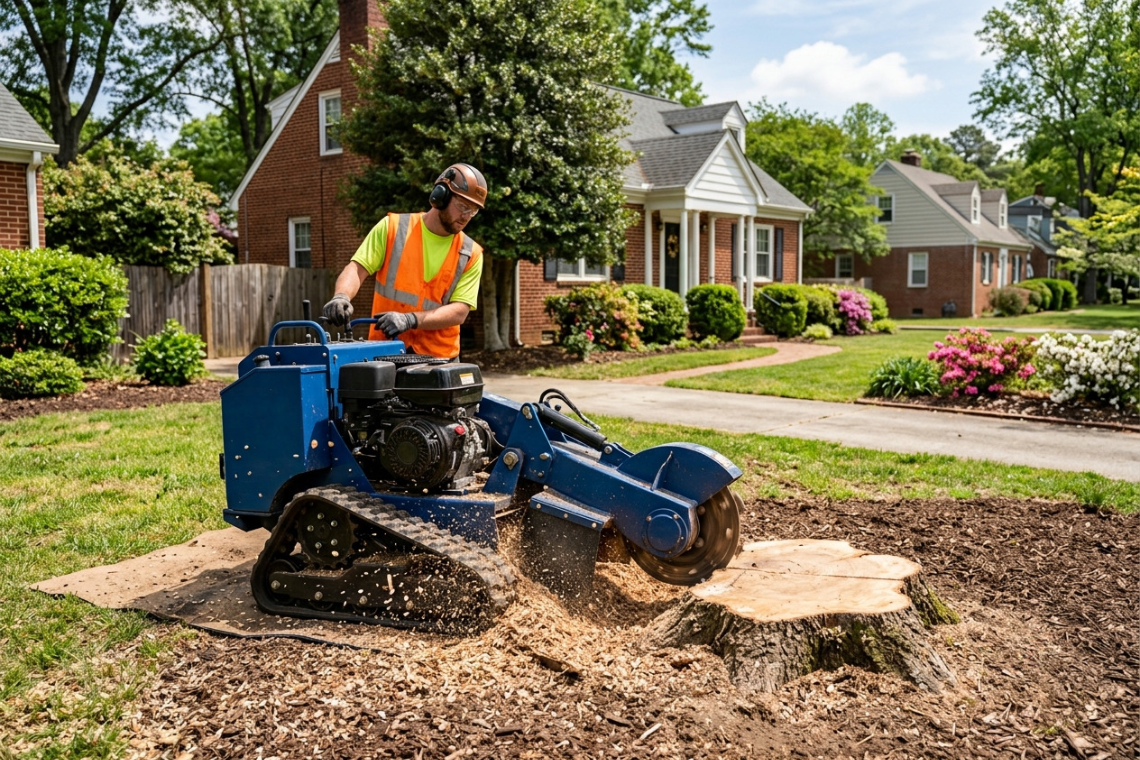
    Avoid rushing the landscaping process until you are confident that drainage and soil conditions have returned to normal.

    7. Contact Your Insurance Company

    Insurance coverage for fallen trees depends on your specific homeowners policy and the circumstances surrounding the damage. If a storm-damaged tree falls on a covered structure, there may be coverage for certain removal and repair expenses. However, coverage can be different when a tree falls in an open yard without damaging a covered structure. If you plan to make a claim, keep your photographs, invoices, estimates, and other documentation related to the storm and cleanup. Contact your insurance provider to understand what your particular policy covers.

    8. Prepare for the Next Storm

    Once the immediate cleanup is finished, look at the property from a prevention perspective. A professional tree assessment can help identify dead branches, weak limbs, structural problems, or other potential hazards before the next severe weather event. Addressing these issues proactively may reduce the likelihood of another emergency. Regular tree trimming and inspections can also help maintain healthier, safer trees around your home.

    Why Professional Storm Tree Removal Matters

    Storm-damaged trees can be unpredictable. Broken limbs may remain suspended in the canopy, trunks can shift unexpectedly, and damaged trees may have unstable root systems. Professional storm damage tree removal Richmond VA services can help homeowners address these hazards while reducing the risk of additional property damage. Once the dangerous tree has been removed, the property can then be inspected and restored more safely. For homeowners looking for dependable local tree care, DCS Tree Services provides tree removal and storm-related cleanup services in Richmond, VA and surrounding areas.

    Conclusion

    Storm recovery does not end when a fallen tree is removed. After storm damage tree removal Richmond, VA, homeowners should document the damage, inspect the surrounding property, evaluate remaining trees, address the stump, restore damaged landscaping, and review their insurance coverage. Taking these steps can help you move from emergency cleanup toward a safer and more functional property. With professional support from DCS Tree Services, Richmond homeowners can address storm-damaged trees and work toward restoring their outdoor spaces with greater confidence.

    Frequently Asked Questions

    1. Does homeowners insurance cover storm damage tree removal in Richmond VA?

    It depends on your policy and the type of damage involved. If a storm-damaged tree falls on a covered structure, some removal costs may be covered, but open-yard tree removal can have different coverage.

    2. Should I remove the stump after storm damage tree removal?

    Removing the stump can make landscaping and yard maintenance easier. Stump grinding Richmond VA services can help clear the remaining stump and prepare the area for restoration.

    3. How do I know if other trees were damaged by the storm?

    Look for leaning trunks, cracked branches, exposed roots, hanging limbs, or soil movement around the tree base. A professional inspection can identify hidden storm-related hazards.

    4. When should I call for hazardous tree removal Richmond VA?

    Call a professional when a remaining tree has major cracks, unstable roots, severe leaning, hanging branches, or other signs that it may pose a safety risk to people or property.

    5. What should I do after storm debris is removed?

    Inspect your roof, yard, fences, landscaping, and remaining trees for additional damage. Keep your cleanup records and photographs, then address stump, lawn, and tree-care needs.
  • Why Choose Stump Grinding in Richmond VA After Tree Removal?

    Why Choose Stump Grinding in Richmond VA After Tree Removal?

    Why Choose Stump Grinding in Richmond VA After Tree Removal?

    Removing a tree can make a major difference to your Richmond property, but the job doesn’t always feel complete when a large stump is still sitting in the yard. While some homeowners choose to leave it and let nature take its course, stump grinding is often the more practical next step. For homeowners planning tree removal, understanding what happens to the remaining stump can help prevent future problems and keep the property looking clean. Here’s why stump grinding Richmond, VA services can be a valuable part of completing your tree removal project.

    Why Tree Removal Doesn’t Always End With the Stump

    When a tree is removed, the trunk and major branches are taken away, but the stump and part of the root system can remain underground. Although it may seem harmless at first, a leftover stump can become an obstacle for lawn maintenance, landscaping, and plans for the area. A stump can also produce new shoots, gradually decay, or become home to insects and fungi. That’s why many homeowners choose to deal with the stump soon after the tree has been removed.

    5 Reasons to Grind a Stump After Tree Removal

    1. It Makes the Yard Safer

    A stump that remains at ground level can easily become a tripping hazard. This is particularly noticeable when grass grows around it and makes the stump harder to see. Grinding the stump below ground level creates a safer, more manageable surface for mowing, walking, and using the surrounding part of the yard.

    2. It Helps Prevent Unwanted Regrowth

    Some tree species can continue producing shoots from the remaining stump or root system after the main tree has been removed. This can turn a finished tree removal project into an ongoing maintenance issue. Grinding the stump reduces the visible source of regrowth and makes it easier to reclaim the area for lawn or landscaping.

    3. It Improves the Appearance of Your Property

    Even after a tree has been removed, a prominent stump can make the area look unfinished. If you’re trying to maintain a neat lawn or improve your property’s curb appeal, leaving the stump behind may work against that goal. With stump grinding Richmond VA services, the remaining stump can be reduced below the surrounding grade, giving you a cleaner area to work with.

    4. It Creates Space for Future Landscaping

    Maybe you want to plant something new, extend your lawn, install a garden bed, or change the layout of your outdoor space. A stump can get in the way of all of these plans. Grinding it down gives you more flexibility when deciding how to use the space after tree removal.

    5. It Reduces Long-Term Maintenance

    A stump may eventually decay naturally, but waiting for that process can take years. During that time, you may have to mow around it, deal with new growth, or monitor changes as the wood breaks down. Grinding handles the visible stump much sooner and allows the area to become part of your regular landscape again.

    What Happens If You Leave the Stump Behind?

    Leaving a stump isn’t necessarily an emergency, but it can create problems over time. As the stump ages, it can begin to decay and attract insects or fungal activity. Depending on its location and condition, it may also interfere with mowing or other yard work. Another concern is regrowth. Certain trees are more likely than others to produce shoots from the remaining stump or roots, meaning the area may require additional maintenance. If you already know that you don’t want the stump on your property, addressing it during or shortly after tree removal is usually the simpler approach.

    Stump Grinding vs. Complete Stump Removal

    Stump grinding and stump removal are not the same process. Stump grinding uses specialized equipment to grind the visible stump down below the surface. The roots generally remain underground and can gradually break down naturally. Stump removal, on the other hand, involves extracting the stump and a larger portion of its root system. This can require more excavation and may leave a larger hole that needs to be filled and restored. For many residential properties, grinding is a practical choice when the main goal is to remove the visible obstruction and reclaim the surface area. The right option depends on factors such as the stump’s size, location, root structure, surrounding landscaping, and what you plan to do with the area afterward.

    Is Stump Grinding Hard on Your Lawn?

    It’s understandable to worry that heavy equipment could damage your landscaping. Professional stump grinding equipment is designed to work around the stump rather than excavating a large area of soil. The amount of disturbance depends on the stump’s location, size, accessibility, and surrounding conditions. A professional crew can assess the area beforehand and determine the most appropriate approach. After grinding, the resulting wood chips can typically be cleared or managed as part of restoring the area.

    When Should You Schedule Stump Grinding?

    If you already have a tree scheduled for removal, discussing stump grinding at the same time can make the entire project easier to plan. Handling both services together may eliminate the need to arrange another appointment later. It also means you can start planning your next landscaping project without having an unwanted stump occupying the space. However, if your tree has already been removed, it’s not too late. A professional stump grinding service can assess the remaining stump and recommend the appropriate solution.

    Complete Your Tree Removal Project With Stump Grinding

    Removing a tree is only part of restoring your yard. If a stump remains, having it ground down can improve the area’s safety, appearance, and usability while making future landscaping easier. For homeowners in Richmond, professional stump grinding can be a practical final step after tree removal. DCS Tree Services can help homeowners address remaining stumps and prepare their outdoor spaces for future use. To learn more about tree care and stump grinding services, visit DCS Tree Services. A clean, usable yard starts with taking care of what remains after tree removal.

    FAQs

    1. Is stump grinding necessary after tree removal?

    It isn’t always mandatory, but it can make your property safer, cleaner, and easier to maintain. Stump grinding Richmond, VA services are especially useful when you want to reclaim the space quickly.

    2. How soon can a stump be ground after tree removal?

    In many cases, stump grinding can be performed soon after the tree is removed. The exact timing depends on the stump, site conditions, equipment access, and the overall removal project.

    3. Will stump grinding stop a tree from growing back?

    Grinding removes the visible stump and can significantly reduce the potential for new shoots from the stump itself. However, remaining roots can sometimes produce growth depending on the tree species.

    4. What happens to the roots after stump grinding?

    Most of the underground root system remains in place after grinding. Over time, those roots naturally decay, while the surface area can be prepared for landscaping or lawn restoration.

    5. Should I choose stump grinding or stump removal?

    It depends on your property’s needs and plans. Grinding is generally less invasive, while complete removal may be preferable when the entire root system needs to be extracted.
  • Stump Grinding in Richmond, VA: Costs & Yard Recovery Guide

    Stump Grinding in Richmond, VA: Costs & Yard Recovery Guide

    Stump Grinding Richmond, VA: Costs & Yard Recovery

    Removing a tree can really change how your property looks and feels. The job doesn’t end when the tree is gone. Often, what’s left behind, like a tree stump, can still cause problems. A stump takes up space in your yard; it can be a trip hazard it gets in the way when you mow the grass. It makes any future landscaping plans more complicated. For homeowners in Richmond, VA who are thinking about using stump grinding services, knowing how the process works, what affects the cost and what happens to the yard after the work is done can help make everything much easier to plan. Here’s what you should keep in mind before booking the service.

    Why Should You Remove a Tree Stump?

    Leaving a stump in your yard may seem harmless, especially if it is tucked away in a less-used area. Over time, however, an old stump can become more than an eyesore.

    Stumps Can Attract Pests

    As wood begins to decay, it can attract insects such as termites, carpenter ants, and other wood-destroying pests. While a stump does not automatically mean an infestation will occur, removing decaying wood can help reduce potential pest concerns around your property.

    Stumps Can Become Safety Hazards

    A stump that is hidden by grass or vegetation can be easy to overlook. Children, pets, guests, or homeowners mowing the lawn can trip over it, particularly when the stump is close to a walkway or frequently used area.

    They Make Lawn Maintenance More Difficult

    Mowing around a stump takes extra time and care. Accidentally hitting exposed wood with lawn equipment can also damage mower blades or other equipment.

    They Take Away Usable Yard Space

    If you’re planning to reseed your lawn, install landscaping, create a garden bed, or improve the appearance of your outdoor space, an old stump can get in the way. For these reasons, many homeowners choose to address the stump after completing tree removal.

    Stump Grinding vs. Stump Removal: What’s the Difference?

    Although the terms are sometimes used interchangeably, stump grinding and stump removal are different services. Stump grinding uses specialized equipment to grind the visible portion of the stump below ground level. The remaining roots stay underground and gradually decompose naturally. Stump removal involves physically extracting the stump and, depending on the situation, a substantial portion of the root system. This generally requires more digging and creates a larger area that needs to be filled and restored. For many residential properties, grinding is a practical option because it is less disruptive to the surrounding landscape and usually requires less excavation. The right choice depends on what you plan to do with the area afterward. If you’re simply looking to eliminate the visible stump and reclaim the surface space, grinding may be sufficient. If you’re planning construction or planting in the exact location, complete removal may sometimes be more appropriate.

    What Affects Stump Grinding Cost in Richmond VA?

    There isn’t one standard price for every stump. The final cost depends on the specific conditions at the property.

    Stump Size

    Larger stumps generally require more grinding time and equipment work than smaller ones. Diameter is one of the first factors a professional will consider when estimating the job.

    Type of Wood

    Hardwoods can take longer to grind than softer wood species. The condition of the stump also matters because an old, partially decayed stump may behave differently from a solid, healthy hardwood stump.

    Root System

    Some stumps have large surface roots extending into the surrounding lawn. If those roots also need attention, additional grinding work may be required.

    Number of Stumps

    If several stumps need to be handled at the same property, completing them during one visit may be more efficient than scheduling separate jobs.

    Accessibility

    Location matters, too. A stump in an open backyard may be straightforward to access, while one located behind a narrow gate, close to a structure, or in a confined side yard may require additional planning and specialized equipment. Because these factors can vary significantly from one property to another, an on-site assessment is the best way to determine an accurate estimate.

    What Happens During Stump Grinding?

    The process is generally straightforward, but professional equipment is essential. First, the work area is assessed for potential obstacles and access requirements. The stump grinder is then positioned over the stump, and the cutting wheel gradually grinds the wood into small chips. The visible stump is reduced below the surrounding soil level. Depending on the property and the requested service, the resulting wood chips may be left for use as mulch or removed from the site. Once grinding is complete, the area can be prepared for whatever comes next.

    What Does Yard Recovery Look Like After Stump Grinding?

    Stump grinding removes the visible obstruction, but your yard may need a little additional work before it looks completely finished.

    1. Deal With the Wood Chips

    Grinding produces a considerable amount of wood-chip material. You can sometimes use these chips as mulch, or they can be removed depending on the service arrangement.

    2. Fill and Level the Area

    Once the stump has been ground below grade, the depression can be filled with suitable soil. The area should be leveled so it blends with the surrounding landscape.

    3. Restore the Lawn

    If the stump was located in a grassy area, you can reseed or install sod after the area has been properly prepared. Good soil preparation is important for helping new grass establish successfully.

    4. Consider Future Landscaping

    If you plan to plant another tree or install a structure in the same location, remember that underground roots can remain after grinding. Your landscaping plans may determine whether additional root removal or preparation is necessary.

    Should You Combine Stump Grinding With Tree Removal?

    If you are already scheduling tree removal Richmond VA services, it may make sense to discuss stump grinding during the same project. Handling both services together can reduce the need for a separate return visit and help you restore the property sooner. It also gives you an opportunity to plan the entire project—from removing the tree to cleaning up the remaining stump and preparing the yard. If the tree was removed because of storm damage, disease, or a hazardous condition, dealing with the remaining stump can be an important final step in getting the area back into usable condition.

    How Long Does Stump Grinding Take?

    The time required depends primarily on stump size, wood type, accessibility, and the number of stumps being handled. A small, easily accessible residential stump may be completed relatively quickly, while larger stumps or multiple stumps can require considerably more time. Your tree service professional can provide a more accurate estimate after evaluating the property.

    When Is the Best Time to Grind a Stump?

    Stump grinding can generally be planned whenever site conditions allow the equipment to safely access the area. However, homeowners may want to consider what they plan to do with the space afterward. If you’re preparing the yard for new grass, landscaping, or another outdoor project, scheduling stump grinding before that work can make the overall process more efficient. The most important consideration is not simply the season but the condition of the property, accessibility, and your landscaping plans.

    Complete Your Yard Cleanup With Professional Stump Grinding

    A leftover stump can keep your yard from feeling truly finished after tree removal. Grinding can help eliminate the visible obstruction, improve the usability of your outdoor space, and prepare the area for future lawn or landscaping work. If you need professional stump grinding Richmond VA homeowners can rely on, working with an experienced local tree service can make the process easier from assessment through cleanup. For tree removal, stump grinding, and other tree care needs in Richmond and the surrounding area, contact DCS Tree Services to discuss your property and get an estimate for the work.

    FAQs

    1. How much does stump grinding cost in Richmond VA?

    The cost depends on stump size, wood type, root spread, accessibility, and the number of stumps. An on-site assessment is the best way to receive an accurate estimate for your property.

    2. Does stump grinding remove the tree roots?

    No. Stump grinding Richmond VA services typically remove the visible stump below ground level while leaving most of the root system underground to decompose naturally over time.

    3. Can I grow grass after stump grinding?

    Yes. Once the remaining chips and debris are addressed and the area is filled and leveled with suitable soil, the lawn can be reseeded or restored with sod.

    4. Is stump grinding better than complete stump removal?

    For many residential situations, grinding is less disruptive because it does not require removing the entire root ball. However, complete removal may be more suitable when future construction or planting requires the roots to be cleared.

    5. Should I grind a stump after tree removal?

    In many cases, yes. Removing the remaining stump can improve yard safety, simplify lawn maintenance, and make the space easier to use for future landscaping projects.
  • Safe Tree Removal Richmond VA: Complete Homeowner Guide

    Safe Tree Removal Richmond VA: Complete Homeowner Guide

    Safe Tree Removal Richmond VA

    Safe Tree Removal Richmond VA: Complete Homeowner Guide

    A tree can bring shade, beauty and personality to your property.. Sometimes keeping a tree can become a safety issue. Dead branches, signs of disease, root damage, a tree that leans much or one that’s too close to your house can all pose dangers. These risks should not be ignored. If you’ve been searching for tree removal in Richmond, VA you’re probably trying to figure out if the tree really needs to go what the removal process is like and how much it might cost. Tree removal is not about cutting the trunk and letting the tree fall. It’s a job that needs planning the right tools and knowledge of the area around the tree. Here’s what homeowners, in Richmond should know before calling a professional to remove a tree.

    Why Safe Tree Removal Matters

    Large trees can be extremely heavy, and their branches can extend over roofs, driveways, fences, vehicles, and utility lines. A poorly planned removal can cause property damage or serious injuries. Richmond’s Urban Forestry Division notes that dead, severely declining, diseased, or structurally defective trees may require removal when they present safety concerns. A safe tree removal process starts by evaluating:
    • The tree’s overall health and structural condition
    • The direction and degree of its lean
    • Dead or weakened branches
    • Nearby buildings, fences, vehicles, and landscaping
    • Utility lines and other overhead hazards
    • Available access for equipment
    • The safest method for lowering or removing the tree
    One reason tree removal Richmond VA costs can differ a lot from one property to another. Removing a tree in a yard is very different from taking down a large tree that sits between a house, a fence and a power line especially, in tree removal Richmond VA.

    Signs Your Tree May Need Removal

    Not every damaged or unhealthy tree needs to be removed. In some cases, pruning, treatment, or monitoring may be enough. However, certain warning signs deserve a professional assessment. Look for:

    Large Dead Branches

    Dead branches can break unexpectedly, particularly during high winds or severe weather. Large sections of deadwood should be evaluated before they become a hazard.

    Severe or Worsening Lean

    A noticeable lean doesn’t automatically mean a tree must come down. However, a significant or newly developing lean can indicate structural or root problems that need professional attention.

    Trunk Cracks or Splits

    Deep cracks, cavities, or major splits in the trunk can weaken the tree’s structure. These issues become more concerning when the tree is located near a home or other property.

    Root Damage

    Construction, excavation, erosion, flooding, or other changes around the root zone can affect tree stability. Exposed or damaged roots may increase the risk of failure.

    Signs of Decay or Disease

    Fungal growth, cavities, unusual trunk deterioration, or extensive decline in the canopy can indicate serious health problems. A professional inspection can help determine whether the tree can be preserved. If you notice several of these signs, don’t wait for the next major storm to make the decision for you. A professional tree service Richmond VA provider can assess the situation and explain your options.

    What Does Professional Tree Removal Involve?

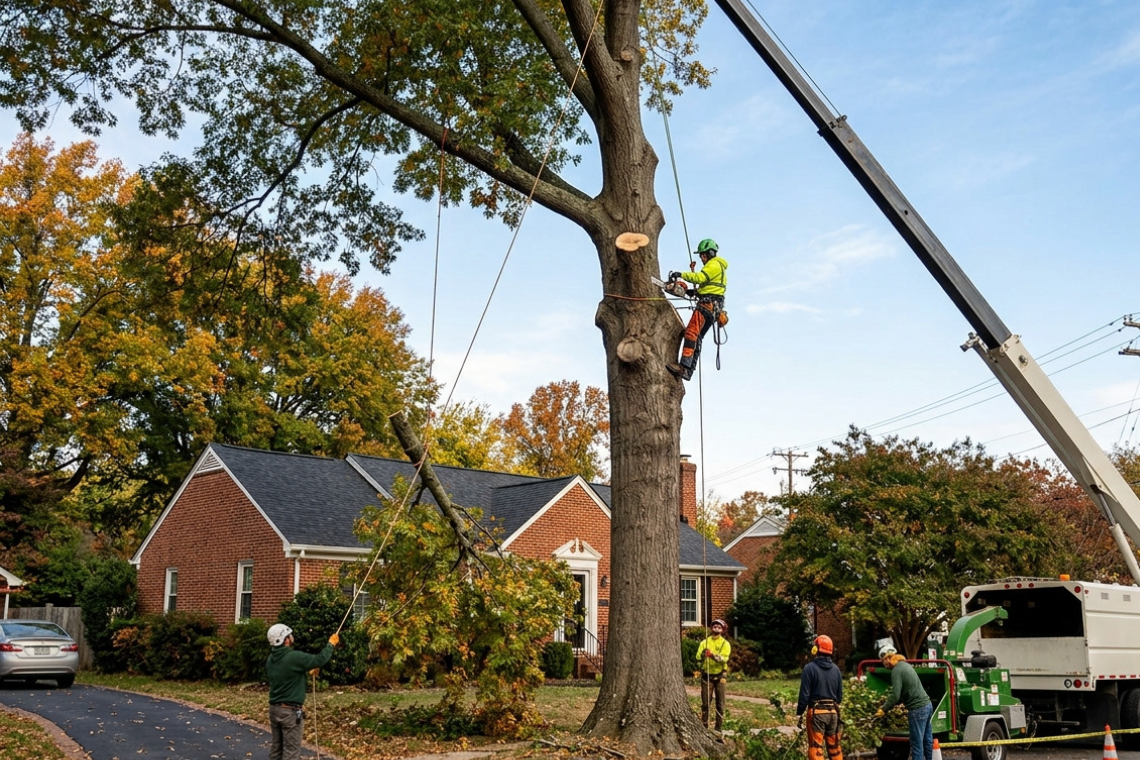
    A safe removal is planned around the tree and everything surrounding it. Depending on the location, size, and condition of the tree, the crew may use directional felling, sectional removal, rigging, or specialized equipment.

    1. Property and Tree Assessment

    The first step is examining the tree and its surroundings. The crew considers its condition, lean, branch structure, access points, and potential hazards.

    2. Choosing the Removal Method

    If there is plenty of open space, a suitable tree may sometimes be brought down in a controlled direction. When the tree is close to a home, fence, driveway, or other structure, the crew may need to remove it in smaller sections and lower those pieces carefully.

    3. Controlled Removal

    Branches and trunk sections are cut and managed using appropriate equipment and techniques. In restricted spaces, controlled lowering helps reduce the risk of damage to surrounding property.

    4. Debris Removal and Cleanup

    After the tree is down, branches and wood need to be processed and removed. A professional crew should leave the work area reasonably clean according to the agreed scope of service.

    5. Stump Grinding

    Tree removal doesn’t necessarily eliminate the stump. If you want the remaining stump removed or reduced below ground level, stump grinding Richmond VA can be added to the project. Grinding the stump can make the area easier to mow, landscape, or reuse.

    Questions to Ask Before Hiring a Tree Removal Company

    Choosing the right company is just as important as deciding whether the tree needs to come down. Before hiring a contractor, ask:
    • Are you properly licensed and insured for the work?
    • Do you carry liability and workers’ compensation coverage?
    • How will you protect my home and surrounding landscaping?
    • Will the tree be removed in sections or felled in one piece?
    • Is stump grinding included in the estimate?
    • Does the estimate include debris removal and cleanup?
    • Will I receive a written estimate before work begins?
    • How do you handle trees near utility lines?
    A reputable tree cutting Richmond VA company should be willing to explain its process clearly rather than giving you a vague price and rushing you into a decision.

    What Affects Tree Removal Cost in Richmond, VA?

    There isn’t one standard price for every tree removal project. Several factors can influence the final estimate.

    Tree Size

    Taller trees and larger trunks generally require more labor, equipment, and time.

    Location

    A tree standing next to a house, garage, fence, driveway, or other structure requires more planning than one in an open field.

    Accessibility

    If equipment cannot easily reach the tree, additional climbing, rigging, or specialized methods may be necessary.

    Tree Condition

    Dead, unstable, storm-damaged, or partially fallen trees can be more complicated to handle than healthy trees standing in an open area.

    Stump and Debris Removal

    Stump grinding, wood removal, brush cleanup, and hauling may be separate services depending on the company’s estimate. Because every property is different, an on-site assessment is much more useful than relying on a generic price quoted over the phone.

    When Should You Call for Emergency Tree Removal?

    Some tree problems require faster attention than a routine appointment. Contact a professional promptly if:
    • A tree has fallen onto your house, vehicle, or other structure
    • A large branch is broken and hanging overhead
    • A tree is suddenly leaning after a storm
    • The trunk has split
    • Roots have been lifted or exposed
    • A damaged tree is blocking a driveway or access route
    • A tree or branch is dangerously close to electrical lines
    After severe weather, don’t attempt to cut or move a damaged tree yourself, especially when power lines or unstable branches are involved. The safest approach is to have the situation assessed by qualified professionals.

    How to Choose the Right Tree Service in Richmond

    When looking at tree services in Richmond don’t just go for the quote. Look at how the company has been working in the area. Check if they have insurance and licenses. Think about their method, for removing treesdo they use effective techniques? Good communication matters too. You should feel confident that the team will keep you informed. You also want to see how they handle cleanup after the job. A reliable service will leave your yard clean and free of debris. Make sure the company can explain why tree removal is needed. They should be able to say whether pruning or simply watching the tree over time might be a choice. It’s important to get an estimate. You should know exactly what is included. This includes stump grinding, hauling away wood, cleanup work and any extra equipment used. Clear details help avoid surprises.

    Get Professional Tree Removal in Richmond, VA

    Removing a tree is a significant property decision, especially when the tree is large, unstable, diseased, or located close to your home. The safest approach is to have the tree assessed first and understand the removal method, costs, cleanup, and any additional services involved. For homeowners looking for reliable local tree care, DCS Tree Services can help with professional tree removal and related tree care needs throughout Richmond, VA and the surrounding area. If you’re dealing with a hazardous, dead, damaged, or unwanted tree, learn more about professional tree services from DCS Tree Services and request an estimate for your property.

    FAQs 

    How much does tree removal cost in Richmond, VA?

    The price of tree removal changes with the size of the tree the condition of the tree the location of the tree how easy it is to reach the tree and any hazards near the tree. The best way to know the tree removal cost in Richmond VA is to have a professional visit the tree and give an estimate.

    Do I need a permit for tree removal in Richmond?

    Permit rules for tree removal may vary depending on the location of the property and the type of tree or land involved. Always check with the authority in Richmond, VA before removing a tree if you are not sure if a permit, for tree removal is required.

    How long does tree removal take?

    A smaller residential tree may take only a few hours, while a large or difficult removal can take longer. The size, access, removal method, and cleanup requirements all affect the timeline.

    Will tree removal damage my lawn?

    Some disturbance is possible, particularly when heavy equipment is required. Experienced crews can plan access and removal methods to minimise unnecessary impact on lawns, landscaping, and other parts of the property.

    Should I remove the stump after cutting down a tree?

    Stump removal isn’t always required, but leaving a stump can create an obstacle and make future landscaping more difficult. Stump grinding Richmond, VA, is an option when you want the remaining stump reduced below ground level.
  • Can a Large Tree Be Removed Without Damaging Your Lawn?

    Can a Large Tree Be Removed Without Damaging Your Lawn?

    Can a Large Tree Be Removed Without Damaging Your Lawn?

    If you have a large tree growing close to your home, driveway, garden, or lawn, you may wonder whether removing it will leave your yard damaged. The good news is that large tree removal Richmond, VA does not always have to result in significant lawn damage. With proper planning, the right equipment, and controlled removal techniques, professionals can reduce the impact on grass, soil, landscaping, and nearby property. The condition of the lawn, location of the tree, ground conditions, and removal method all play a role in how much disturbance occurs.

    Can Large Tree Removal Damage Your Lawn?

    Removing a mature tree is more complicated than simply cutting through the trunk. Large trees have heavy branches, substantial trunks, and extensive root systems that can make the work challenging. Heavy equipment can create tyre marks or compact the soil, while falling branches or trunk sections may damage grass, flower beds, fences, or other landscape features. Wet or soft ground can also be more vulnerable to disturbance. However, these risks can often be reduced through careful planning. A professional team will assess the tree and surrounding property before deciding how the removal should be completed.

    How Professionals Protect Your Lawn During Tree Removal

    Protecting your lawn is an important part of planning any tree removal Richmond VA project. Before work begins, professionals assess the tree, surrounding landscape, available access points, and areas that may need extra care. This helps them choose a practical removal approach while reducing unnecessary disturbance to your yard. Depending on the property, the crew may use specific access routes to keep equipment away from delicate areas. They can also position machinery carefully, protect garden beds and other landscaping, and control where branches and trunk sections are lowered. These steps are especially useful when a large tree is located close to a driveway, patio, fence, or landscaped area. A well-planned removal process is not only about taking the tree down safely. It is also about leaving the property clean and minimising disruption to the surrounding landscape. Services such as overgrown lot clearing Richmond can also help property owners manage additional vegetation, debris, and unwanted growth when a larger outdoor cleanup is needed. For homeowners in the area, DCS Tree Services can help assess the property and determine an appropriate approach based on the tree’s location and surrounding conditions. Careful preparation and controlled removal can make a significant difference in protecting your lawn while getting the job done efficiently.

    Why Controlled Tree Removal Matters for Large Trees

    Large trees are often removed in sections rather than allowing the entire tree to fall at once. This controlled approach gives workers greater control over branches and trunk sections. Instead of dropping large pieces onto the lawn, sections can be lowered or directed into designated areas. This can help reduce damage to grass, landscaping, structures, and surrounding property. Choosing safe tree removal Richmond, VA, is particularly important when the tree is close to a house, utility lines, vehicles, or areas frequently used by people.

    What Factors Affect Lawn Damage During Tree Removal?

    Several factors can influence the condition of your lawn after tree removal.

    Tree Size and Location

    A tall tree with a wide canopy requires more planning than a smaller tree. Its proximity to buildings, fences, gardens, and walkways can also affect the removal strategy.

    Ground and Soil Conditions

    Wet soil can become compacted more easily under equipment. Professionals need to consider current ground conditions before bringing machinery onto the property.

    Equipment Access

    Limited access can make large tree removal more challenging. A professional team can determine where equipment can safely enter and work without unnecessarily crossing sensitive areas.

    Nearby Landscaping and Structures

    Trees growing near flower beds, irrigation systems, patios, driveways, or buildings require additional care. Identifying these areas before work begins helps create a safer removal plan.

    How to Prepare Your Lawn Before a Large Tree Is Removed

    Homeowners can also take a few simple steps before work begins. Move outdoor furniture, decorations, planters, and other loose items away from the work area. Let the tree service know about irrigation lines, underground features, delicate plants, or areas of the lawn that require extra protection. It is also important to keep children and pets away from the work zone while the removal is underway. These simple preparations can make the process smoother and help professionals focus on tree removal without lawn damage.

    What Happens to Your Lawn After Tree Removal?

    After the tree has been removed, the crew should clear branches, logs, and other debris from the property. Depending on your needs, stump grinding may also be recommended to remove the remaining stump below ground level. Some areas may need minor lawn restoration after the work. This could involve adding soil, reseeding grass, or repairing areas that experienced temporary disturbance. The final condition of the lawn depends on the tree’s size, removal method, soil conditions, and the accessibility of the property.

    When Should You Hire a Professional Tree Removal Company?

    Professional help is strongly recommended when dealing with mature, unstable, diseased, storm-damaged, or difficult-to-access trees. Trees located close to homes, power lines, roads, or other structures can create additional safety concerns. Experienced professionals can evaluate the tree, surrounding environment, and property before recommending the appropriate removal method. This approach can help reduce unnecessary risks and protect the surrounding landscape. When choosing safe tree removal Richmond VA services, look for a company that is properly licensed and insured, has experience handling large trees, follows safety procedures, and provides thorough clean-up after the job.

    Conclusion

    A large tree does not automatically mean a damaged lawn. With the right planning, controlled removal methods, suitable equipment, and careful property protection, homeowners can greatly reduce the impact on their landscape. If you are considering large tree removal Richmond, VA, choosing an experienced local company can make the process safer and more organized. DCS Tree Services can help homeowners assess their tree and determine an appropriate approach while keeping surrounding property and landscaping in mind. Learn more about their services at DCS Tree Services.

    FAQs

    1. Can a large tree be removed without damaging the grass?

    Yes. Careful planning, controlled cutting techniques, appropriate equipment, and property protection can significantly reduce the risk of lawn damage.

    2. Does heavy equipment always damage a lawn?

    No. The amount of impact depends on soil conditions, equipment access, weather, and how the work is planned. Professionals can select suitable access routes and equipment to minimize disturbance.

    3. Can tree removal affect the soil?

    Yes. Heavy equipment and repeated movement can compact soil, particularly when the ground is wet. Proper planning can help limit unnecessary soil disturbance.

    4. Will my lawn need repairs after tree removal?

    Not necessarily. Some lawns may require little or no repair, while others may need reseeding or minor soil restoration depending on the level of disturbance.

    5. How can I protect my landscaping during tree removal?

    Discuss sensitive areas with the tree removal team before work begins. Clearly identifying gardens, irrigation systems, walkways, and other features can help the crew plan the safest approach.
  • How Heavy Rain Can Affect Tree Roots and Soil Stability

    How Heavy Rain Can Affect Tree Roots and Soil Stability

    How Heavy Rain Can Affect Tree Roots and Soil Stability

    Heavy rain can be good for trees, but too much water in a short period can create problems below the surface. When the ground becomes saturated, tree roots may lose some of the support they normally receive from the surrounding soil. This can affect the health and stability of trees, especially those that are already weakened, leaning, or growing in areas with poor drainage. Understanding what happens to tree roots after heavy rain can help homeowners spot potential problems early and take appropriate action before a tree becomes a safety concern.

    What Happens to Tree Roots After Heavy Rain?

    Tree roots need both water and oxygen to remain healthy. During prolonged rainfall, soil can become saturated with water, filling the spaces where air would normally circulate. If the ground stays waterlogged for an extended period, roots may struggle to receive enough oxygen. Heavy rainfall can also loosen the soil around the root system. On sloped properties or areas with drainage problems, flowing water may wash soil away from important roots. This can leave roots exposed and reduce the amount of soil supporting the tree. These conditions are especially concerning for mature trees because their size and weight place greater demands on the root system.

    How Heavy Rain Can Cause Tree Root Damage

    One of the most common concerns following intense rainfall is tree root damage. Water rushing across the ground can cause soil erosion around the base of a tree. In severe cases, roots may become visible or partially uncovered. Prolonged moisture can also create unfavorable conditions for root health. Trees growing in compacted or poorly drained soil may be more vulnerable because water has fewer pathways to move away from the root zone. Homeowners should pay attention to changes such as exposed roots, unusual soil movement, standing water, or gaps developing around the trunk. These signs do not always mean a tree needs to be removed, but they deserve careful attention.

    How Saturated Soil Affects Tree Stability

    Soil does more than provide nutrients to trees. It also helps anchor the root system and support the weight of the tree. When heavy rain leaves soil saturated, loose, or eroded, that support can become weaker. This is why tree stability after rain can become a concern, particularly when heavy rainfall is followed by strong winds. Wind places additional pressure on the trunk and branches, while weakened soil may provide less resistance around the roots. Trees with existing root problems, decay, significant lean, or structural weaknesses may face a greater risk. A tree does not have to look severely damaged above ground for its root system to be affected.

    Warning Signs of an Unstable Tree After Heavy Rain

    After a period of intense rainfall, take a closer look at trees around your property. Some warning signs include:
    • A new or worsening lean
    • Soil lifting or cracking near the trunk
    • Exposed or broken roots
    • Newly disturbed soil around the root zone
    • Standing water that remains for a long time
    • Large branches that have recently fallen
    • Movement of the tree during moderate wind
    These signs can indicate changes in the soil or root system. If you notice sudden movement or significant leaning, keep people and vehicles away from the area until the tree can be assessed.

    Why Heavy Rain Can Increase the Risk of Fallen Trees

    Heavy rainfall does not automatically cause a healthy tree to fall. However, saturated ground, soil erosion, weakened roots, and strong winds can combine to increase the risk. Trees located close to houses, driveways, fences, vehicles, or utility lines deserve particular attention. A weakened tree can become a serious property hazard if it loses its stability. Understanding tree stability after rain is therefore an important part of protecting your home and outdoor space.

    What Should You Do If a Tree Becomes Unstable?

    Avoid climbing, cutting, or attempting to remove a large leaning tree yourself. Even a tree that appears partially stable can shift unexpectedly when its root system has been compromised. A professional can examine the trunk, branches, root zone, surrounding soil, and overall structure. Depending on the condition, the appropriate solution may involve monitoring, pruning, corrective work, or removal. For properties affected by severe storms, storm damage tree removal Richmond VA may be necessary when a tree presents an immediate safety risk.

    How to Protect Tree Roots and Soil During Rainy Weather

    There are several ways homeowners can help protect trees during periods of heavy rainfall:
    • Maintain a suitable layer of mulch around the root zone.
    • Avoid driving heavy equipment over areas containing tree roots.
    • Watch for soil erosion around mature trees.
    • Address persistent drainage and standing-water problems.
    • Inspect trees after severe storms.
    • Avoid disturbing exposed roots.
    These simple steps can help maintain healthier soil conditions and reduce unnecessary stress on the root system.

    How Professional Tree Services Can Help

    Some tree problems are easy to overlook from ground level. A professional assessment can help identify structural concerns, exposed roots, soil movement, and other potential hazards before they become more serious. This is especially important after severe weather, when trees may appear stable but have hidden damage below the surface. If heavy rain or a storm has caused significant damage or instability, professional advice can help determine whether a tree can be safely retained or whether removal is the better option. For homeowners dealing with fallen branches, unstable trees, or other storm-related debris, storm damage tree cleanup Richmond can help address potential hazards safely. DCS Tree Services can assess the condition of affected trees and recommend an appropriate solution based on the level of damage and risk to the surrounding property.

    Conclusion

    Heavy rain can affect more than what you see above the ground. Saturated soil, erosion, and changes around the root zone can reduce the support a tree depends on. Checking tree roots after heavy rain and watching for signs of instability can help homeowners identify potential hazards early. When you’re concerned about storm-related tree problems, DCS Tree Services can help assess the situation and determine the appropriate tree care solution. Visit DCS Tree Services to learn more about professional tree services and storm-related tree care in Richmond, VA.

    FAQs

    1. Can heavy rain damage tree roots?

    Yes. Excessive rainfall can contribute to soil erosion, waterlogged conditions, and loss of soil support around roots. These conditions may affect root health and tree stability.

    2. Why do trees become unstable after heavy rain?

    Saturated soil can become loose and provide less support around the root system. Strong winds following heavy rain can place additional pressure on an already weakened tree.

    3. What are the signs of root problems after rain?

    Exposed roots, soil cracks, unusual leaning, disturbed soil, standing water, and movement around the tree base can indicate potential root or stability concerns.

    4. Should I remove a tree that is leaning after heavy rain?

    Not necessarily. A professional should assess the tree first. The cause and severity of the lean, root condition, soil stability, and surrounding hazards all need to be considered.

    5. When should I call a tree professional after a storm?

    Contact a professional if you notice a newly leaning tree, exposed or damaged roots, broken major branches, significant soil movement, or a tree that appears to threaten a building, vehicle, or utility line.
  • 10 Signs a Tree Is Becoming a Safety Hazard on Your Property

    10 Signs a Tree Is Becoming a Safety Hazard on Your Property

    10 Signs a Tree Is Becoming a Safety Hazard on Your Property

    Trees can make a property feel more welcoming, provide shade, and add natural beauty. But when a tree becomes weak, damaged, or unstable, it can also create serious risks. The difficult part is that some problems are easy to miss until a branch falls or the tree starts to lean. Knowing the signs of a hazardous tree can help homeowners take action before a small problem becomes a major safety concern. If you notice significant damage, decay, or instability, professional assessment can help determine whether the tree needs trimming, monitoring, or hazardous tree removal Richmond VA.

    1. Large Dead or Hanging Branches

    Dead branches are among the most noticeable tree safety hazards. Large branches that are dry, cracked, or hanging loosely can fall without much warning, especially during strong winds or storms. Pay particular attention to branches positioned above roofs, driveways, walkways, play areas, or vehicles. Removing hazardous limbs professionally can reduce the risk of unexpected property damage or injury.

    2. Deep Cracks or Splits in the Trunk

    A crack in the trunk should not automatically be ignored. Deep vertical cracks, major splits, or areas where the trunk appears to be separating can indicate structural weakness. If you notice significant tree trunk decay or cracking, avoid attempting to cut the damaged area yourself. A professional can assess whether the tree can be managed safely or whether removal should be considered.

    3. A Noticeable Lean

    Some trees naturally grow at an angle, but a sudden or worsening lean can be a warning sign. Look for changes in the tree’s position along with lifted soil, exposed roots, or cracking around the base. If you’re wondering how to tell if a tree is dangerous, a new lean is one condition worth taking seriously. Trees leaning toward homes, garages, roads, or frequently used areas deserve professional attention.

    4. Visible Root Damage or Decay

    Roots provide much of a tree’s stability. Construction work, soil erosion, vehicle activity, and excavation can damage important roots. Watch for exposed, broken, or decaying roots around the trunk. Severe tree root damage may affect the tree’s ability to remain stable, particularly during heavy rain or high winds.

    5. Hollow or Decaying Areas in the Trunk

    A tree can look healthy on the outside while experiencing internal decay. Cavities, soft wood, hollow sections, and visible rotten areas may indicate that the tree’s structural strength has been compromised. This is why homeowners should not judge a tree’s condition only by its leaves. When tree trunk decay is suspected, a professional inspection can help determine the extent of the problem.

    6. Splitting or Weak Branch Unions

    Branches with narrow, weak, or V-shaped attachments can sometimes be more vulnerable to splitting. Included bark between stems can also contribute to structural weakness. These issues may become more concerning as branches grow larger or during severe weather. Regular inspection can help identify weak tree branches before they create a larger hazard.

    7. Fungal Growth Around the Tree Base

    Mushrooms or other fungal growth around the base of a tree can sometimes be associated with decay. However, fungal growth alone does not necessarily mean the tree is unsafe or must be removed. Instead, consider it alongside other warning signs such as cavities, declining growth, damaged roots, or soft wood. A professional assessment can provide a clearer picture of the tree’s condition.

    8. Damaged, Loose, or Missing Bark

    Large areas of missing, loose, or damaged bark may result from injury, disease, insects, or other problems. Extensive bark damage can affect the tree’s ability to protect its living tissue. If bark problems appear alongside dead branches or decay, the tree may require closer evaluation as part of a broader tree safety Richmond VA strategy.

    9. Signs of Storm Damage

    Storms can break limbs, split trunks, expose roots, and destabilize trees. A tree does not necessarily have to fall immediately to be dangerous. Hidden structural damage can become a problem during the next strong wind. After severe weather, keep people away from visibly damaged trees and avoid handling hanging limbs yourself. In serious cases, hazardous tree removal Richmond VA may be recommended after a professional evaluation.

    10. The Tree Is Threatening Your Property or Power Lines

    Location matters. Even a relatively healthy tree can become a safety concern if it is growing directly over a house, garage, driveway, vehicle, or utility line. Never attempt to cut a tree that is close to power lines. Professional equipment and proper safety procedures are important when dealing with potentially dangerous trees in restricted areas.

    When Should a Hazardous Tree Be Removed?

    Removal may be considered when a tree has severe decay, major trunk damage, extensive root failure, serious storm damage, or an unstable lean. The decision should be based on the tree’s condition and the level of risk it presents. Professional dangerous tree removal Richmond VA services can help address trees that pose a significant threat to people or property.

    Why Professional Tree Assessment Matters

    It can be difficult to determine the seriousness of tree damage simply by looking from the ground. A professional can examine the trunk, branches, roots, surrounding structures, and overall stability before recommending the right solution. In some cases, early assessment can help prevent further damage and reduce potential safety risks. Depending on the tree’s condition, the best option may be pruning, monitoring, or tree removal Richmond VA rather than immediate removal. DCS Tree Services can help property owners identify potential hazards and determine the safest approach for managing damaged or unstable trees.

    Conclusion

    A tree does not need to be completely dead to become a safety concern. Cracked trunks, weak branches, root damage, decay, leaning, and storm injuries can all signal potential problems. Recognizing these warning signs early gives homeowners an opportunity to address risks before they become more serious. If a tree on your property appears unstable or severely damaged, DCS Tree Services can help you determine the appropriate next step, whether that involves assessment, tree care, or professional removal.

    FAQs 

    1. How can I tell if a tree is becoming dangerous?

    Look for dead branches, deep trunk cracks, decay, root damage, fungal growth, sudden leaning, or significant storm damage.

    2. Is a leaning tree always a safety hazard?

    No. Some trees naturally lean. However, a sudden or worsening lean, especially with damaged roots or cracked soil, should be professionally evaluated.

    3. Can a tree with visible decay be saved?

    Sometimes. The outcome depends on the location and severity of the decay, the tree’s overall health, and its structural stability.

    4. What should I do after storm damage?

    Keep people away from unstable trees and avoid touching hanging branches. Significant damage should be assessed by a qualified tree professional.

    5. When should I consider hazardous tree removal?

    Consider professional evaluation when structural damage, extensive decay, root failure, or severe leaning creates a meaningful risk to people, buildings, vehicles, or utility areas.
  • How Mulch Protects Trees and Improves Your Landscape

    How Mulch Protects Trees and Improves Your Landscape

    How Mulch Protects Trees and Improves Your Landscape

    Mulch may seem like a simple finishing touch for a yard, but it can do much more than make landscape beds look neat. When applied correctly, mulch helps protect tree roots, retain moisture, control weeds, and support healthier soil. For Richmond homeowners, proper mulching can also make routine landscape maintenance easier throughout changing seasons. If your trees and planting beds could benefit from better soil protection, professional mulching services Richmond VA can provide an effective way to improve both tree care and landscape appearance.

    Why Mulch Matters for Trees and Landscapes

    Mulch creates a protective layer over the soil around trees, shrubs, and garden beds. It helps reduce moisture loss, shields the soil from temperature changes, and limits competition from weeds. For Richmond homeowners, properly applied mulch can also help maintain healthier planting areas through changing weather conditions. The key is proper application. Too little mulch may not provide much protection, while excessive mulch can create problems around tree trunks and roots. Good mulching is about using the right material and applying it at an appropriate depth. For property owners who want professional help, mulching services Richmond VA can make it easier to maintain healthy and attractive landscape beds. DCS Tree Services provides professional mulching solutions designed to support tree health while keeping outdoor spaces neat and well maintained.

    5 Ways Mulch Protects Your Trees

    1. Helps Retain Soil Moisture

    One of the biggest benefits of mulch is soil moisture retention. A layer of mulch slows evaporation, allowing the soil to stay moist for longer after watering or rainfall. This can help reduce stress on tree roots during warmer, drier periods.

    2. Regulates Soil Temperature

    Mulch acts as an insulating layer over the soil. It can help moderate temperature fluctuations around the root zone, creating more stable conditions for roots. This is particularly useful when outdoor temperatures shift between seasons.

    3. Protects Tree Roots

    Surface roots can be exposed to lawn equipment, foot traffic, changing temperatures, and drying soil. Proper tree root protection through mulching can create a buffer around the root zone. However, mulch should never be piled directly against the trunk. Leaving appropriate space around the base of the tree is an important part of healthy tree mulching Richmond VA practices.

    4. Suppresses Weed Growth

    A properly maintained mulch layer can reduce sunlight reaching weed seeds, helping limit unwanted growth. Fewer weeds also means less competition for water and nutrients around trees and other plants.

    5. Supports Soil Health

    Organic mulch gradually breaks down and can add organic matter to the soil. Over time, this can contribute to better soil conditions while supporting the surrounding landscape.

    How Mulch Improves Your Landscape’s Appearance

    Mulch can give landscape beds a clean, finished appearance while creating clearer boundaries around trees and plants. Fresh, evenly distributed mulch can make an outdoor space look more maintained without requiring major changes to the landscape. Beyond appearance, it also provides practical benefits such as weed suppression, moisture conservation, and protection for the soil surface.

    What Is the Right Way to Apply Mulch Around Trees?

    Proper application matters just as much as the choice of mulch. Mulch should be spread evenly around the root zone rather than forming a thick mound against the trunk. Avoid creating a “mulch volcano,” where mulch is piled high around the base of a tree. Excessive moisture around the trunk can create an unhealthy environment and may contribute to trunk problems. Homeowners who are unsure about depth, material, or coverage can consider professional mulch installation Richmond VA services to ensure the work is done carefully.

    Common Mulching Mistakes to Avoid

    Some common mistakes can reduce the benefits of mulch. Applying an excessively thick layer, covering the tree trunk, using unsuitable material, or ignoring existing drainage problems can all create unnecessary issues. It is also important to inspect existing mulch before adding more. Simply adding a new layer every season without checking the old material can result in excessive depth.

    When Should You Consider Professional Mulching?

    Professional help can be useful when a property has several mature trees, large landscape beds, uneven coverage, or areas that have been neglected for a while. Experienced crews can assess the area, prepare the beds, distribute mulch evenly, and leave the property clean. For homeowners looking for mulch services Richmond VA, professional application can save time while helping ensure that trees and planting areas receive appropriate coverage.

    How Often Should Mulch Be Replaced or Refreshed?

    There is no single schedule that works for every property. Mulch breaks down at different rates depending on its material, exposure, weather, and landscape conditions. Look for signs such as thinning mulch, exposed soil, uneven coverage, or increasing weed growth. These can indicate that the existing layer needs to be refreshed rather than simply ignored.

    Choosing the Right Mulch for Your Richmond Landscape

    The right mulch depends on the property’s trees, planting areas, soil conditions, maintenance needs, and desired appearance. Wood and bark-based materials are common choices for landscape beds, while organic options can provide additional soil benefits as they decompose. Rather than choosing mulch based only on appearance, consider how the material will perform around your trees and throughout the year.

    Why Proper Mulching Is Part of Good Tree Care

    Healthy trees need more than occasional pruning or watering. Protecting the soil and root zone is also an important part of maintaining the landscape. Proper mulching can support moisture management, reduce weed competition, protect surface roots, and improve the overall appearance of planting areas. For Richmond property owners, mulching services Richmond VA can be a practical addition to a broader tree and landscape maintenance routine.

    Conclusion

    Mulch is a small landscape improvement that can provide several important benefits when applied correctly. From tree root protection and moisture retention to weed control and improved curb appeal, the right mulch can help create a healthier and more attractive outdoor space. If you need help maintaining your trees or landscape beds, DCS Tree Services provides professional outdoor services for Richmond, VA and surrounding areas, including mulching. Their family-owned team focuses on safe work, fair pricing, and treating each property with care.

    FAQs

    1. What are the main benefits of mulching around trees?

    Mulch helps retain soil moisture, regulate soil temperature, suppress weeds, protect surface roots, and support healthier soil conditions.

    2. Can mulch be placed directly against a tree trunk?

    No. Mulch should be kept away from the trunk. Piling mulch against the base can retain excessive moisture and create an unhealthy environment around the trunk.

    3. How often should landscape mulch be refreshed?

    It depends on the mulch material, weather exposure, and how quickly it breaks down. Thinning, bare soil, uneven coverage, and returning weeds are common signs that mulch may need refreshing.

    4. What is the best mulch for trees?

    There is no single best option for every property. The right choice depends on the tree, soil, landscape design, maintenance needs, and local conditions.

    5. Is professional mulching worth it?

    Professional mulching can be helpful for large properties, multiple trees, uneven landscape beds, or homeowners who want consistent coverage and proper application without handling the work themselves.
  • Leaning Tree Removal in Richmond, VA: When Is a Leaning Tree Dangerous?

    Leaning Tree Removal in Richmond, VA: When Is a Leaning Tree Dangerous?

    Leaning Tree Removal in Richmond, VA: When Is a Leaning Tree Dangerous?

    A leaning tree can be a normal part of a tree’s growth, but a sudden or worsening lean may signal a serious problem. Strong winds, heavy rain, root damage, soil movement, and decay can all affect a tree’s stability. The challenge for homeowners is knowing when a tree is simply growing at an angle and when it has become a safety concern.

    Understanding the warning signs can help you decide when professional leaning tree removal services in Richmond, VA may be necessary and when a tree may simply need monitoring.

    Why Do Trees Start Leaning?

    Trees can lean for several reasons, and not every cause means the tree is about to fall. Some trees gradually develop an angle as they grow toward sunlight or respond to their surroundings. Others may begin to lean due to environmental or structural problems.

    Common causes include:

    • Strong winds and severe storms
    • Soil erosion or shifting ground
    • Damaged or weakened roots
    • Trunk decay or internal damage
    • Construction activity around the root zone
    • Heavy branches growing unevenly
    • Saturated soil after prolonged rainfall

    A tree leaning after a storm deserves particular attention, especially if the angle has changed noticeably.

    Is Every Leaning Tree Dangerous?

    No. A long-established, gradual lean may not necessarily indicate an immediate hazard. The more important question is whether the lean is new, increasing, or accompanied by other signs of instability.

    For example, a tree that has stood at the same angle for many years may be structurally stable. On the other hand, a tree that suddenly begins leaning after strong winds or heavy rain could have damaged roots or a compromised trunk.

    Homeowners should pay close attention to changes around the base of the tree. Soil movement, raised roots, or a visible gap between the roots and ground can indicate that the tree has shifted.

    Warning Signs of a Dangerous Leaning Tree

    Recognising the signs of a dangerous leaning tree can help prevent injuries and property damage.

    Exposed or Raised Roots

    Roots that are lifted from the soil or newly exposed may indicate root movement. Since roots provide much of a tree’s stability, significant disturbance around the base can increase the risk of failure.

    Cracks or Splits in the Trunk

    Large cracks, deep splits, or areas where the trunk appears separated should not be ignored. These defects can weaken the tree’s structure, particularly when combined with a noticeable lean.

    A Sudden or Increasing Lean

    A sudden tree lean is more concerning than a gradual, long-standing angle. If the tree continues moving in one direction, it may indicate that the root system or trunk is no longer providing adequate support.

    Dead or Broken Branches

    Large dead limbs, hanging branches, or broken sections can add weight to an already unstable tree. They may also fall independently, creating additional hazards around your property.

    Decay or Hollow Areas

    Visible cavities, soft wood, fungal growth, or extensive decay can indicate structural deterioration. Internal damage is not always obvious from the outside, which is why professional assessment can be valuable.

    What Makes a Leaning Tree More Hazardous?

    Location plays a major role in determining the potential risk. A leaning tree near a home, garage, driveway, fence, walkway, or utility line can cause significant damage if it falls.

    Even a moderately sized tree may become a serious concern when it is positioned directly over an area used by people or vehicles. This is why homeowners should consider both the tree’s condition and the potential consequences of failure.

    What Should You Do If a Tree Is Leaning?

    If you notice a potentially unstable tree, keep children, pets, and vehicles away from the area. Avoid climbing the tree, cutting large branches, or attempting DIY removal. A damaged tree can behave unpredictably, especially during windy conditions.

    For homeowners dealing with a potentially unstable tree, professional Tree removal Richmond, VA services can provide a safer way to evaluate the situation and determine the appropriate next step.

    When Is Professional Tree Removal Necessary?

    Removal may be considered when a tree has severe root damage, extensive decay, major trunk cracks, significant storm damage, or a rapidly worsening lean. The risk is also higher when the tree threatens buildings, power lines, vehicles, or areas where people regularly gather.

    In these situations, Hazardous tree removal Richmond VA services from DCS Tree Services can help address potential dangers using appropriate equipment and controlled removal techniques.

    However, removal is not automatically required simply because a tree leans. A professional assessment can help determine whether the tree can be retained, monitored, trimmed, or needs to be removed.

    Can a Leaning Tree Be Saved?

    In some cases, yes. The possibility depends on the tree species, age, health, root condition, degree of lean, and surrounding environment.

    A professional can evaluate whether the tree has stable roots and sufficient structural strength. Depending on the circumstances, options may include monitoring, selective pruning, or other tree-care measures. If the tree presents an unacceptable risk, removal may be the safest solution.

    Why Professional Assessment Matters in Richmond VA

    Richmond-area trees can experience changing conditions throughout the year, including strong winds, heavy rainfall, and storms that can affect soil stability and tree structure. A tree that appears healthy from the ground may still have hidden root or trunk problems.

    Professional evaluation is especially important when homeowners notice signs a leaning tree may fall, such as exposed roots, fresh cracks, soil movement, or a rapidly changing angle.

    Final Thoughts: 

    Not every leaning tree is dangerous, but a sudden or worsening lean should never be dismissed. Cracked trunks, damaged roots, decay, broken branches, and storm-related movement can all increase the likelihood of tree failure.

    If you’re unsure about the condition of a leaning tree, getting professional advice is safer than attempting to handle the problem yourself. For local tree care and removal services, homeowners can learn more about DCS Tree Services.

    FAQs

    1. When is a leaning tree considered dangerous?

    A leaning tree may be dangerous when the lean is sudden or worsening, particularly when accompanied by exposed roots, cracks, decay, soil movement, or broken branches.

    2. Can a leaning tree fall without warning?

    Yes. Trees with severe root or structural damage can fail unexpectedly, especially during high winds or heavy rainfall.

    3. Should I remove a tree just because it is leaning?

    Not necessarily. Some naturally leaning trees can remain stable for years. A professional assessment can help determine the actual level of risk.

    4. What should I do if a tree suddenly starts leaning?

    Keep people and vehicles away from the area and avoid attempting DIY cutting or removal. Contact a qualified tree professional to assess the tree.

    5. Can storm damage make a leaning tree more dangerous?

    Yes. Storms can break branches, damage roots, split trunks, and loosen surrounding soil, potentially making an already leaning tree less stable.

  • Fallen Tree Removal in Richmond, VA: What Homeowners Should Do First

    Fallen Tree Removal in Richmond, VA: What Homeowners Should Do First

    Fallen Tree Removal Richmond, VA: First Steps for Homeowners

    A fallen tree can turn into a serious property problem within minutes, especially when it lands on a roof, driveway, vehicle, fence, or near power lines. After a storm or strong winds, homeowners may be unsure whether they should start cutting branches, move debris, or call for professional help. The safest approach is to stay clear of unstable trees, assess the situation from a safe distance, and determine whether professional assistance is needed. Understanding the right first steps can help prevent injuries and additional property damage.

    What Should You Do First After a Tree Falls?

    1. Keep People and Pets Away

    Do not allow children or pets near the fallen tree. Large trunks, hanging branches, and uprooted trees can shift unexpectedly. A tree that appears stable may still have tension in its branches or roots. Keep a safe distance until the area has been properly assessed.

    2. Check for Immediate Hazards

    From a safe location, look for obvious dangers such as:
    • Damaged roofs or walls
    • Blocked driveways
    • Broken utility lines
    • Hanging or partially detached branches
    • Uprooted trees leaning against structures
    • Damaged vehicles or fences
    If the tree is touching a power line, do not approach it or attempt to move it.

    3. Contact the Appropriate Utility Provider if Needed

    Downed electrical lines create a serious electrocution risk. If you see a damaged or fallen power line, keep everyone away from the area and contact the utility provider or emergency services as appropriate. Never assume a power line is safe simply because it appears inactive.

    How to Assess Fallen Tree Damage Safely

    Homeowners can document visible damage from a safe location using photographs or videos. Check whether the tree has affected your home, garage, vehicle, fence, landscaping, or other structures. Avoid climbing onto the tree or cutting large limbs yourself. Fallen tree cleanup can become dangerous when branches are under pressure or the trunk is supporting part of a structure. If the damage is extensive, a professional assessment can help determine the safest removal method.

    When Do You Need Emergency Tree Removal?

    Some situations require faster professional attention. Emergency tree removal Richmond VA may be appropriate when a fallen or severely damaged tree:
    • Is resting on a house or other structure
    • Blocks an important access route
    • Has large unstable branches
    • Is creating an immediate safety concern
    • Is positioned near electrical infrastructure
    • Could shift and cause further property damage
    Professional crews have specialised equipment and experience for handling unstable trees and difficult removal conditions.

    What to Know About Storm-Damaged Trees

    Severe weather can break limbs, split trunks, and weaken root systems. Even when a tree remains standing, internal damage may make it unstable. This is why storm damage tree removal Richmond VA services can be important after severe weather. A tree that looks manageable from the ground may contain hidden cracks or damaged roots. Homeowners should avoid assuming that a partially fallen tree is safe to cut. A professional can evaluate the structure and determine how the tree should be safely dismantled.

    What to Know About Storm-Damaged Trees

    Severe weather can break large limbs, split trunks, uproot trees, and weaken their root systems. Even when a tree remains standing, storm-related damage may leave it unstable and more likely to fall later. This can be especially concerning when the tree is close to a home, driveway, fence, or other structure. If a tree has suffered significant damage, homeowners should avoid handling it themselves. DCS Tree Service can help assess situations where professional attention is needed. For trees affected by severe weather, homeowners can also learn more about storm-damaged tree removal and the potential hazards involved. A tree that looks manageable from the ground may have hidden cracks, split limbs, or damaged roots. These problems can make cutting unpredictable and increase the risk of injury or additional property damage. When the damage is extensive, or the tree has become unstable, professional storm damage tree removal Richmond, VA services can provide a safer way to address the situation. Homeowners should never assume that a partially fallen or damaged tree is safe simply because it is no longer moving. A qualified tree professional can evaluate its condition, identify potential hazards, and determine the safest way to dismantle and remove it.

    Should You Remove a Fallen Tree Yourself?

    Small branches and lightweight yard debris may be manageable with appropriate precautions. However, large trunks and structurally damaged trees are a different matter. DIY removal becomes particularly risky when:
    • The tree is large or uprooted
    • Branches are suspended above the ground
    • The trunk is under tension
    • The tree has fallen onto a structure
    • Power lines are nearby
    • Specialized cutting equipment is required
    In these circumstances, professional tree removal Richmond VA services are generally the safer choice.

    What Happens During Professional Tree Removal?

    A professional removal typically begins with a site assessment. The crew identifies hazards, evaluates the tree’s position, and develops a removal plan. Depending on the situation, the tree may be carefully sectioned into smaller pieces before the branches and trunk are removed. Once the main tree is cleared, the remaining tree debris can be collected and the affected area cleaned. If a stump remains, homeowners may also consider stump grinding to make the space easier to maintain or prepare for future landscaping.

    What About Insurance After a Tree Falls?

    Before major cleanup, homeowners should photograph visible damage when it is safe to do so. Keep records of damage to structures, vehicles, fences, and other property. Insurance policies differ, so contact your insurance provider to understand whether the incident and resulting damage are covered. Avoid putting yourself at risk simply to collect photographs.

    How Can Homeowners Prevent Future Tree Problems?

    Regular tree care can help identify potential hazards before they become emergencies. Watch for dead branches, visible decay, cracks, leaning trees, and exposed or damaged roots. Professional inspections and appropriate pruning can also help maintain trees around homes and reduce the likelihood of serious problems during severe weather.

    When Should You Call a Professional?

    If a tree is large, unstable, damaged by a storm, blocking access, or affecting a structure, professional assistance is the safer option. The same applies when removal involves difficult access or hazardous surroundings. For homeowners who need professional help assessing and clearing a fallen tree, DCS Tree Services can provide local tree care assistance through fallen tree removal in Richmond, VA.

    Conclusion

    A fallen tree should be treated as a potential safety hazard, not simply as yard debris. Start by keeping people away, checking for dangerous conditions from a safe distance, documenting visible damage, and contacting professionals when the situation is beyond basic cleanup. Taking the right steps first can reduce unnecessary risks and help protect your property while the tree is safely removed.

    FAQs

    1. What should I do immediately after a tree falls?

    Keep people and pets away, check for power lines and structural damage from a safe distance, and contact the appropriate professionals if the tree presents a hazard.

    2. Can I remove a large fallen tree myself?

    Large, uprooted, or structurally damaged trees can be unpredictable. Professional equipment and experience are recommended, particularly when the tree is near buildings or utility lines.

    3. What should I do if a fallen tree is touching a power line?

    Stay away from the tree and any nearby wires. Contact the utility provider or emergency services as appropriate. Never attempt to move the tree yourself.

    4. Does storm damage always mean a tree needs to be removed?

    Not necessarily. Some damaged trees may be safely managed, while others may have structural or root damage that makes removal necessary. A professional assessment can help determine the appropriate option.

    5. Should the stump be removed after a fallen tree?

    Stump removal or stump grinding may be useful if the remaining stump interferes with landscaping, lawn maintenance, construction, or future planting.